Marrakech est une destination qui se découvre aussi bien à travers son patrimoine que ses quartiers, sa cuisine et son atmosphère. Pour un premier séjour, il peut être difficile de savoir quelles visites privilégier sans chercher à tout faire en quelques jours.
La médina, les souks, les jardins et les différents quartiers de la ville permettent de construire un séjour varié. Voici quelques idées sur que faire à Marrakech lors d’une première visite.
Découvrir la médina de Marrakech
La médina constitue l’un des meilleurs points de départ pour découvrir la ville. Ses ruelles, ses marchés et son architecture permettent de se familiariser rapidement avec l’ambiance de Marrakech.
Une promenade dans les souks permet notamment d’observer les artisans et de découvrir différents produits traditionnels. Il est préférable de prendre son temps plutôt que de vouloir parcourir toutes les rues en une seule fois.
La place Jemaa el-Fna offre également une expérience différente selon le moment de la journée. L’atmosphère évolue progressivement entre l’après-midi et la soirée, lorsque les activités et les visiteurs deviennent plus nombreux.
Prendre le temps de découvrir les jardins
Marrakech possède plusieurs espaces verts qui offrent une pause bienvenue après une promenade dans les quartiers les plus animés.
Le Jardin Majorelle est notamment connu pour son architecture et sa végétation. D’autres jardins et espaces paysagers permettent également de profiter d’un rythme plus calme.
Pour un premier séjour, intégrer une visite de jardin dans l’itinéraire peut être une bonne manière de varier les choses à faire à Marrakech entre découvertes culturelles et moments de détente.
Explorer différents quartiers
Marrakech ne se résume pas à sa médina. Les quartiers plus récents offrent une autre perspective sur la ville, avec des restaurants, des cafés, des boutiques et des espaces adaptés à différents styles de séjour.
Alterner entre la médina et les quartiers modernes permet de mieux comprendre les différentes facettes de Marrakech.
Le choix de l’hébergement peut également influencer l’expérience. Un hôtel, un riad ou une villa ne proposent pas nécessairement le même environnement ni le même niveau d’intimité.
Découvrir la cuisine locale
La gastronomie fait naturellement partie d’un premier voyage à Marrakech. Tajines, couscous, pâtisseries et différentes spécialités marocaines permettent de découvrir une autre dimension de la culture locale.
Plutôt que de concentrer tous les repas dans un seul type d’établissement, varier les expériences peut rendre le séjour plus intéressant. Un déjeuner dans un restaurant, un repas dans un riad ou une découverte des spécialités locales permettent chacun de découvrir la cuisine sous un angle différent.
Prévoir un programme suffisamment flexible
L’une des erreurs fréquentes lors d’un premier séjour consiste à vouloir remplir chaque journée. Marrakech se prête aussi à un rythme plus flexible, avec des moments consacrés à la promenade, au repos ou à la découverte spontanée.
Il peut être utile de prévoir quelques activités principales par jour tout en laissant du temps libre entre les visites. Cette approche permet de profiter davantage de l’atmosphère de la ville sans transformer le séjour en succession de déplacements.
Pour un premier séjour, que faire à Marrakech dépend surtout du rythme recherché. La médina et les souks permettent de découvrir l’histoire et l’atmosphère de la ville, tandis que les jardins, les quartiers modernes et la gastronomie offrent d’autres expériences.
En prévoyant un programme équilibré et suffisamment flexible, il devient plus facile de découvrir Marrakech sans chercher à tout voir en quelques jours.
Winter transforms many parts of Japan into breathtaking landscapes filled with snow-covered scenery, seasonal celebrations, and outdoor attractions that draw visitors from around the world. Among the country’s most anticipated cold-season events, snow festival japan experiences have become a major highlight for travelers seeking a unique blend of culture, creativity, and winter entertainment. These festivals showcase impressive artistic displays while celebrating the traditions and seasonal character that define Japan’s colder months.
Unlike many winter events found elsewhere, Japanese snow festivals often combine large-scale art installations, local cultural activities, regional cuisine, and family-friendly entertainment into a single experience. The result is an atmosphere that appeals to a wide range of visitors, from photographers and outdoor enthusiasts to families and international tourists looking for memorable seasonal experiences.
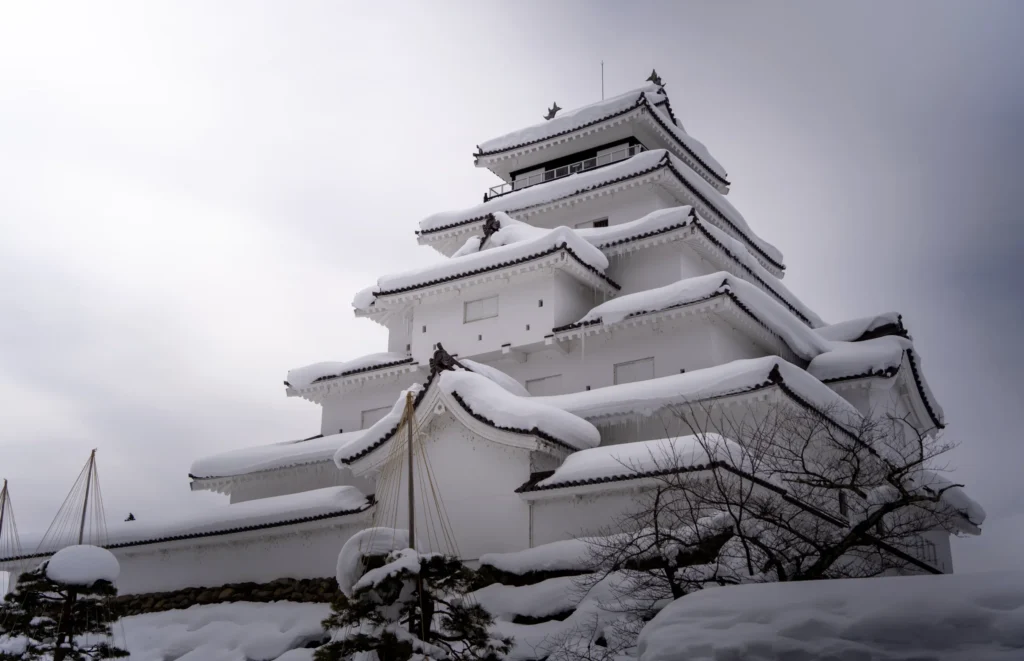
Many of these events take place in regions that receive significant snowfall during the winter months. Communities transform public spaces into open-air galleries where snow and ice become the primary artistic medium. Visitors can admire detailed creations while exploring festive streets illuminated by seasonal decorations and special lighting displays.
As interest in winter tourism continues to grow, snow festivals have become an important part of Japan’s seasonal travel appeal. They offer an opportunity to experience a different side of the country while enjoying landscapes and cultural traditions that are only available during the colder months of the year.
What Makes Snow Festivals Popular in Japan
One of the primary reasons these events attract large audiences is their ability to combine art, community involvement, and seasonal entertainment. Festival organizers often spend months preparing displays that showcase remarkable craftsmanship and creativity. These installations can range from small decorative works to massive structures that become iconic attractions in their own right.
For many travelers, attending a winter festival in japan provides an opportunity to experience local traditions while enjoying activities that are closely connected to the season. Communities often incorporate regional customs, food specialties, and cultural performances into festival programs, creating experiences that go beyond simply viewing snow displays.
The festive atmosphere also contributes to their popularity. Streets become gathering places where residents and visitors share seasonal experiences, enjoy local cuisine, and participate in outdoor activities. This sense of community creates an environment that feels welcoming and memorable for first-time visitors.
Accessibility is another factor. Many winter festivals are organized in cities and towns that offer convenient transportation connections, making them relatively easy to include within broader travel itineraries. As a result, visitors can combine festival attendance with sightseeing, shopping, dining, and other seasonal activities.
The Tradition Behind Japanese Winter Festivals
Seasonal celebrations have long played an important role in Japanese culture. Throughout the year, communities organize events that reflect local traditions, historical influences, and connections to the natural environment. Winter festivals represent one expression of this broader cultural practice, bringing people together during the coldest period of the year.
Many japanese winter events began as local gatherings before evolving into larger attractions that welcome visitors from across the country and beyond. While some festivals focus primarily on entertainment, others maintain strong connections to regional history, community identity, and seasonal customs that have been preserved over generations.
Snow and ice naturally became central elements in regions where winter conditions provided abundant materials for creative expression. Local organizers discovered that these natural resources could be transformed into remarkable artistic works, encouraging annual celebrations that continue to evolve while preserving their traditional foundations.
Today, visitors attending these festivals experience a blend of historical tradition and contemporary creativity. Modern technologies, advanced lighting systems, and innovative design techniques have expanded what is possible while still maintaining the community spirit that originally inspired many of these events.
More Than Just Seasonal Entertainment
Although impressive visual displays often receive the most attention, snow festivals offer much more than artistic attractions. Visitors frequently discover cultural exhibitions, local performances, food markets, and family-oriented activities that contribute to a well-rounded festival experience.
Many destinations use these celebrations to showcase regional identity and encourage tourism during the winter travel season. Local businesses, restaurants, and cultural organizations often participate in festival activities, creating opportunities for visitors to engage more deeply with the surrounding community.
The growing popularity of outdoor winter experiences has also helped these events attract broader audiences. Travelers increasingly seek seasonal activities that allow them to enjoy nature, explore local culture, and create memorable travel moments beyond traditional sightseeing.
For many festival visitors, the combination of cultural discovery, seasonal beauty, and community atmosphere becomes just as important as the displays themselves. This balance is one reason why Japan’s snow festivals continue to attract returning visitors year after year.
Related Reading: Sapporo Snow Festival Guide
Related Reading: Winter Festivals in Japan
Famous Snow Festivals Across Japan
Japan is home to numerous winter celebrations that showcase the creativity and seasonal traditions of different regions. While some events attract international attention, many smaller festivals offer equally memorable experiences and provide insight into local culture. Together, these celebrations contribute to the country’s reputation as one of Asia’s most appealing winter travel destinations.
Each region brings its own character to winter festivities. Some communities focus on artistic displays, while others emphasize local food, cultural performances, and outdoor activities. This diversity allows travelers to experience a wide variety of events depending on where they choose to visit during the colder months.
Major cities often host large-scale celebrations featuring elaborate installations and extensive entertainment programs. Smaller towns, meanwhile, may offer a more intimate atmosphere where visitors can interact closely with local residents and experience traditions that have been preserved for generations.
Whether attending a famous event or discovering a lesser-known celebration, travelers can expect a unique combination of seasonal beauty, cultural experiences, and community spirit that reflects the distinctive character of winter in Japan.
The Art of Snow Sculptures and Ice Sculptures
One of the most recognizable features of winter festivals is the remarkable craftsmanship displayed in large-scale snow sculptures. Artists and volunteers carefully transform massive quantities of snow into detailed works that often depict cultural landmarks, historical themes, wildlife, and imaginative creations.
The construction process can take days or even weeks, requiring careful planning and collaboration. Teams work in challenging weather conditions to carve intricate details while ensuring that structures remain stable throughout the event. The result is a collection of temporary artworks that attract photographers and visitors from around the world.
In addition to snow-based creations, many festivals also feature impressive ice sculptures that showcase a different form of artistic expression. Transparent blocks of ice are transformed into decorative installations, architectural replicas, and illuminated displays that create striking visual effects after sunset.
Lighting plays an important role in enhancing these exhibits. Carefully designed illumination can dramatically change the appearance of sculptures, creating entirely different viewing experiences during the evening hours compared to daylight visits.
Activities Visitors Can Enjoy During Winter Festivals
Beyond viewing artistic displays, visitors often have access to a wide variety of activities that appeal to different age groups and interests. Festival programs typically include interactive attractions, cultural demonstrations, live performances, and opportunities to sample regional specialties.
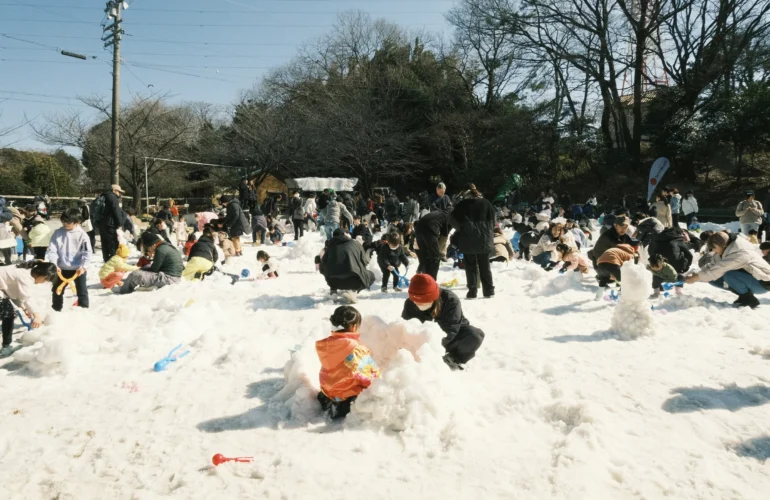
Many events are designed to serve as family-friendly winter attractions, providing entertainment that can be enjoyed by both children and adults. Snow play areas, seasonal games, and recreational activities are frequently included as part of the overall festival experience.
Food also plays a significant role in many celebrations. Vendors often offer regional dishes, warm beverages, and seasonal treats that help visitors stay comfortable while exploring outdoor venues. Sampling local cuisine becomes an enjoyable complement to the visual and cultural aspects of the festival.
For travelers interested in photography, winter festivals provide countless opportunities to capture memorable images. Snow-covered landscapes, illuminated displays, and vibrant festival environments create unique compositions that are difficult to find during other seasons.
Many visitors choose to spend an entire day at festival venues, returning after dark to experience how lighting transforms the atmosphere. Evening displays often become some of the most photographed attractions, highlighting the artistic and technical effort that goes into creating these seasonal celebrations.
Why These Festivals Attract International Visitors
Over the years, Japan’s winter festivals have gained recognition among international travelers seeking distinctive seasonal experiences. The combination of artistic creativity, cultural traditions, and spectacular winter scenery creates an appeal that extends far beyond domestic tourism.
Many festival visitors are drawn by the opportunity to experience snow-covered landscapes that differ significantly from what they encounter in their home countries. For some travelers, these events represent a rare chance to engage with winter culture in a destination known for its hospitality, organization, and attention to detail.
The continued popularity of these festivals demonstrates how seasonal celebrations can become important cultural attractions while still maintaining strong connections to local communities and traditions.
Related Reading: Ice Festivals in Japan
Related Reading: Japan Winter Travel Guide
Planning a Winter Festival Trip in Japan
Careful planning can significantly improve the overall festival experience, particularly for travelers visiting Japan during the colder months. Winter events often attract large crowds, especially during weekends and holiday periods, making early preparation beneficial for transportation, accommodations, and sightseeing schedules.
Travelers should consider weather conditions when organizing their itineraries. Snowfall can influence transportation schedules and outdoor activities, so allowing flexibility within travel plans is often a practical approach. Monitoring local forecasts before departure can help visitors prepare appropriate clothing and equipment for changing winter conditions.
Many destinations hosting winter festivals also offer museums, cultural attractions, shopping districts, and scenic viewpoints. Combining these experiences with festival visits allows travelers to enjoy a more balanced itinerary while gaining a broader appreciation of the surrounding region.
Accommodation planning is equally important during peak periods. Popular festival destinations frequently experience increased demand, making advance reservations a valuable step for securing convenient lodging options and preferred travel dates.
Tips for Experiencing Snow Festivals Comfortably
Winter conditions can vary considerably across different regions of Japan, making proper preparation essential for a comfortable visit. Layered clothing is often recommended because temperatures may fluctuate throughout the day while remaining significantly colder during evening festival activities.
Comfortable footwear designed for snowy or icy conditions can greatly improve the experience. Festival venues often involve extended periods of walking, and appropriate footwear helps visitors navigate outdoor areas safely while remaining comfortable throughout the day.
Staying hydrated and taking occasional breaks indoors can also enhance enjoyment during long visits. Many events provide warming stations, restaurants, cafes, and indoor facilities where visitors can rest before continuing their exploration of festival grounds.
Photography enthusiasts may wish to carry additional batteries, as colder temperatures can reduce battery performance. Planning photography sessions around both daylight and evening illumination periods can help capture the full range of visual experiences offered by festival displays.
Exploring More Than the Festival Grounds
While the festivals themselves are often the primary attraction, many visitors discover that the surrounding destinations offer equally rewarding experiences. Winter landscapes, local dining districts, cultural attractions, and regional traditions provide opportunities to extend a trip beyond a single event.
Some travelers choose to combine festival visits with winter sightseeing across northern Japan, allowing them to experience different aspects of the season. Snow-covered parks, scenic observation points, local markets, and hot spring destinations can complement festival itineraries and create a more diverse travel experience.
Visitors spending time in Hokkaido often extend their stay to explore nearby attractions and seasonal activities. Many travelers choose a sapporo 5 star hotel to enjoy convenient access to the city’s winter attractions and seasonal events.
This combination of cultural events, seasonal scenery, and comfortable accommodations helps explain why winter tourism continues to attract growing numbers of domestic and international visitors each year.
Why Snow Festivals Remain a Highlight of Japanese Winter
Despite changing travel trends and evolving tourism preferences, snow festivals continue to maintain a special place within Japan’s seasonal calendar. Their enduring popularity can be attributed to the unique blend of creativity, tradition, community involvement, and natural beauty that these events offer.
Festival organizers consistently find new ways to enhance visitor experiences while preserving the cultural foundations that make these celebrations meaningful. Advances in design, lighting, and event programming have helped modern festivals remain relevant while retaining their traditional character.
For many visitors, the appeal extends beyond the visual displays themselves. The opportunity to participate in seasonal celebrations, interact with local communities, and experience winter culture firsthand creates lasting memories that often become highlights of an entire trip.
The combination of artistic achievement, cultural significance, and seasonal atmosphere ensures that snow festivals remain among the most anticipated events of the year for travelers exploring Japan during the colder months.
Conclusion
Japan’s snow festivals offer far more than impressive seasonal displays. They bring together art, tradition, community spirit, and winter tourism in ways that create memorable experiences for visitors of all ages. From elaborate installations and cultural activities to regional cuisine and outdoor entertainment, these events showcase the diversity and creativity that define winter celebrations across the country.
Whether visiting a large urban festival or discovering a smaller regional event, travelers can enjoy unique opportunities to experience local culture while surrounded by spectacular winter scenery. The variety of attractions and activities ensures that every destination offers something distinctive.
As interest in seasonal travel continues to grow, snow festivals remain an essential part of Japan’s winter identity. Their ability to combine cultural heritage, artistic expression, and community participation ensures that they will continue attracting visitors from around the world for years to come.
Related Reading: Best Winter Destinations in Japan
Related Reading: Things to Do in Hokkaido During Winter
Why Island-Hopping in Raja Ampat Is the Trip of a Lifetime
Raja Ampat, a remote archipelago in Indonesia’s West Papua province, is often called “the last paradise” for good reason. Home to over 1,500 islands, it offers otherworldly marine biodiversity, dramatic limestone formations, and some of the most transparent waters on Earth. For travelers seeking immersive adventure, island hopping in Raja Ampat boat tour is the best way to explore this natural wonderland.
Whether you’re snorkeling vibrant reefs, kayaking between karst islands, or relaxing on untouched beaches, a well-planned Raja Ampat boat tour ensures you’ll see the best of what the region has to offer. In this 7-day itinerary, we break down the best Raja Ampat islands to visit and how to experience them, whether you’re on a luxury cruise or traveling independently.
Day-by-Day Island-Hopping Itinerary
Day 1: Arrival in Waisai – Gateway to Raja Ampat
Fly into Sorong, then take a ferry to Waisai. This small town is the hub of Raja Ampat and the launching point for most island adventures. Spend the afternoon settling in and enjoying a quiet sunset.
Tip: Begin your journey with a light snorkel near Waisai to ease into the marine magic.
Day 2: Kri Island – Snorkeling Paradise
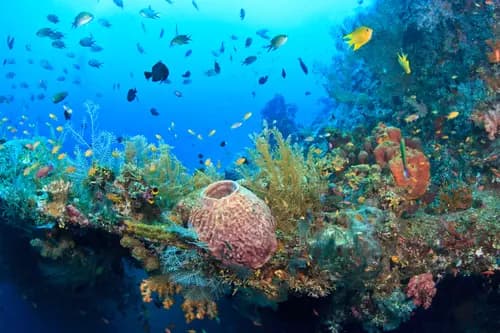
Kri Island is world-renowned for its coral reefs and ease of access. Home to the famed Cape Kri dive site, it boasts some of the richest marine biodiversity ever recorded.
Activities:
Snorkel off the beach in front of your eco-resort.
Explore nearby sandbanks by kayak.
Optional: Join a Raja Ampat diving session to experience Cape Kri up close.
Don’t miss your chance to relax at night with stargazing over calm tropical waters.
Day 3: Mansuar & Arborek – Culture and Coral
Take a short boat ride to Mansuar Island, a peaceful stop for bird watching and village walks. Continue to Arborek Village, a community-run tourism spot where locals welcome visitors with handmade crafts and smiles.
Highlights:
Dive or snorkel at Arborek Jetty, a top-tier Raja Ampat dive site.
Enjoy a traditional lunch with locals.
Learn about the village’s marine conservation efforts.
Day 4: Piaynemo – Iconic Viewpoint and Lagoon Exploration
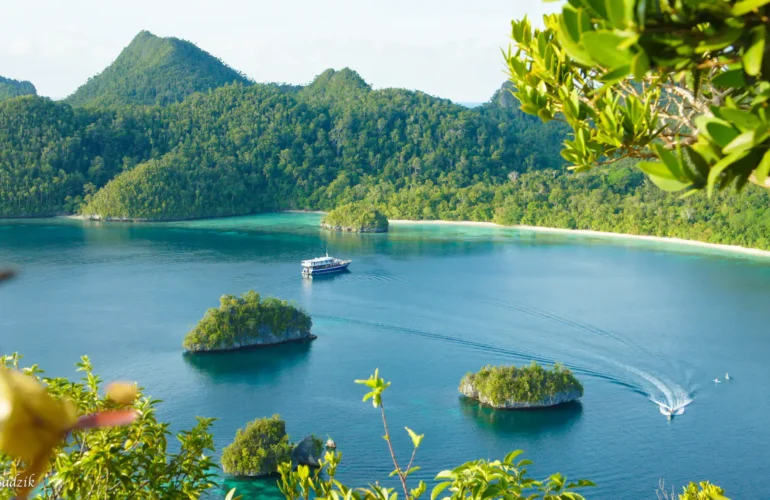
No island hopping in Raja Ampat is complete without climbing to the Piaynemo viewpoint. The short hike rewards you with a panoramic view of karst islets scattered across a turquoise sea — the most Instagrammable sight in Raja Ampat.
Don’t miss:
Kayaking through hidden lagoons.
Snorkeling in shallow coral gardens.
A relaxed lunch aboard your Raja Ampat boat tour vessel.
Day 5: Wayag – The Crown Jewel
Farther north lies Wayag, the original poster-child of Raja Ampat. Towering limestone peaks and untouched beaches make this region a must-visit, though it’s best accessed via a liveaboard or diving cruise.
Highlights:
Hike to the summit for the best aerial views.
Lounge on deserted beaches.
Encounter blacktip reef sharks in the shallows.
Many choose to experience Wayag on a Wallacea Dive Cruise, one of the leading operators combining exploration and diving across the archipelago.
Day 6: Yanggefo & Friwen Wall – Hidden Gems
As you journey back toward the central islands, stop at Yanggefo for quiet mangrove snorkeling. Nearby, Friwen Wall offers an incredible vertical reef drop — ideal for both snorkelers and divers.
Activities:
Drift snorkel along Friwen Wall.
Enjoy picnic lunches on shaded beaches.
Chat with local guides about Raja Ampat’s rich ecological history.
Day 7: Return to Waisai – Reflect & Depart
Enjoy a slow cruise back to Waisai. Use the day to relax on the deck of your Raja Ampat boat tour, reflecting on the week’s discoveries. Perhaps even schedule one last snorkel stop at a favorite reef before the journey home.
Choosing Your Platform
Whether you’re planning your own itinerary or booking through a Raja Ampat dive cruise platform in Bali, choosing the right travel structure is key. Liveaboards like the Wallacea Dive Cruise offer seamless access to remote dive sites, while smaller tours let you immerse yourself in local culture and nature.
If diving is your focus, make sure your itinerary includes legendary Raja Ampat dive sites like Melissa’s Garden, Blue Magic, and Cape Kri. For non-divers, island hopping offers endless snorkeling, kayaking, and wildlife opportunities.
Pro Tips for Island Hopping in Raja Ampat
Permits: All visitors need a Marine Park Entry Permit.
Connectivity: Wi-Fi is limited; embrace the digital detox.
Packing: Reef-safe sunscreen, rash guards, and waterproof bags are essentials.
Your Adventure Awaits
Island hopping in Raja Ampat is more than a vacation; it’s an immersion into one of the planet’s last untouched marine ecosystems. From the vibrant reefs of Kri to the surreal karsts of Wayag, this itinerary ensures you see the best Raja Ampat islands to visit in just one week. Whether aboard a luxury cruise or an intimate homestay-led tour, your journey through paradise is just beginning.
Travelling as a large group requires space, comfort, and seamless organisation and Prana by Atzaró delivers all three with exceptional precision. Designed to accommodate 18 guests, crewed by 21 members, and featuring 9 beautifully appointed suites, this vessel transforms shared travel into an elevated, personalised experience for families, friends, wellness groups, and corporate teams.
A Floating Sanctuary Designed for Connection
Large-group travel often lacks privacy or room to spread out, but Prana by Atzaró is crafted to offer both togetherness and personal space. With multiple indoor and outdoor lounges, expansive open decks, and quiet corners for relaxation, guests can enjoy social moments without ever feeling crowded.
The layout includes several communal areas perfect for gatherings: an expansive sun deck for sunrise yoga, a shaded alfresco dining lounge for long lunches, and a spacious indoor salon where groups can unwind, hold casual meetings, or enjoy entertainment.
Hosting a large group feels effortless when each guest (or couple) has a private, comfortable space to retreat to. With 9 suites, the vessel is designed to balance luxury and practicality.
Master Suite – Spacious, refined, ideal for group leaders or parents.
Grand Suites – Generous rooms for couples or VIP travellers.
Superior Suites – Perfect for friends, adult siblings, or team members.
Soft furnishings, ambient lighting, and ensuite bathrooms ensure that each suite offers both boutique-hotel comfort and a sense of calm.
One mention here: Prana liveaboard sets a new standard for accommodation quality by combining handcrafted Indonesian artistry with refined contemporary design.
A Crew-to-Guest Ratio That Enhances Every Moment
With 21 crew members serving 18 guests, the level of attention is exceptional. The crew includes a cruise director, private chef, dive guides, deckhands, butlers, and wellness staff. This allows groups to experience personalised service, smooth logistics, and thoughtful touches usually found only in the finest luxury properties.
The luxury yacht is built for all rhythms and needs: early risers get their coffee on deck with the sunrise, while night owls enjoy curated cocktails and starlit conversations. Everything flows naturally because the crew anticipates needs before guests voice them.
Dining Together: Elevated Meals With a Social Heart
For groups travelling together, food becomes a shared ritual. Meals onboard range from elegant plated dinners to relaxed family-style spreads, always featuring fresh ingredients and a mix of Western and Asian flavours.
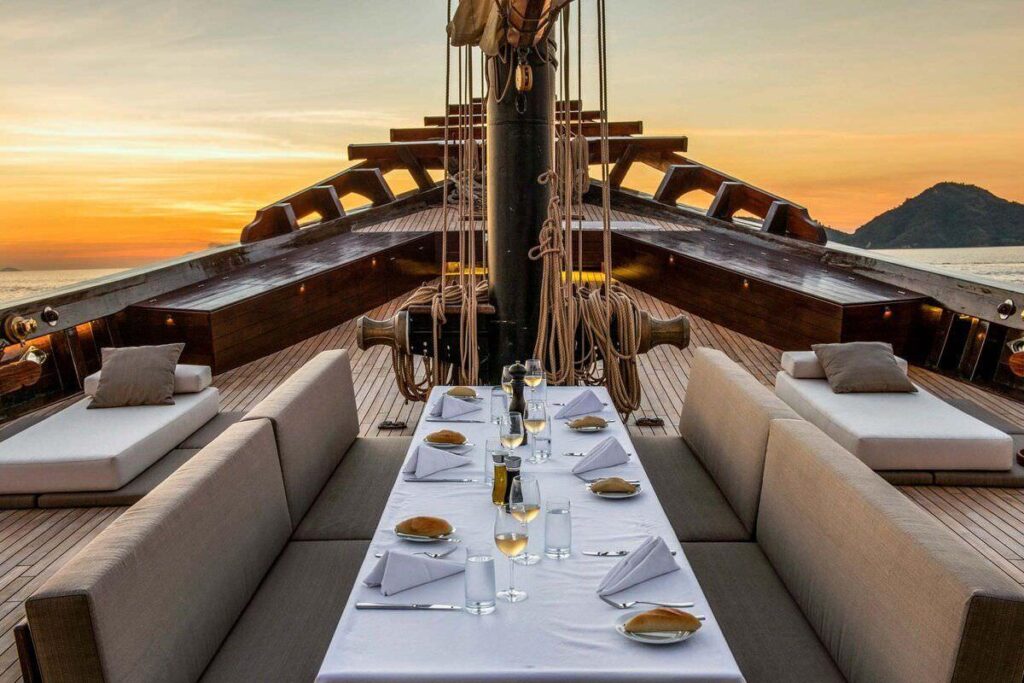
Long wooden tables encourage conversation, while the open-air dining deck offers a cinematic setting for sunset meals. Special menus—such as vegan dinners, kid-friendly dishes, or celebration feasts—are easily arranged.
Perfect for Family Gatherings, Celebrations, or Corporate Retreats
The vessel’s design makes it ideal for:
Family Holidays
Children enjoy water toys, snorkelling, beach excursions, and safe swimming zones. Adults relax knowing the crew handles every detail.
Friends’ Voyages
Kayaks, paddleboards, diving sessions, movie nights, and curated island excursions create a perfect mix of adventure and leisure.
Corporate Groups
Spaces onboard naturally support team-building, strategy sessions, or wellness-focused retreats. Quiet decks, large lounges, and dining areas can be transformed for workshops or celebrations.
This yacht in Indonesia captures the spirit of Indonesian hospitality while offering the privacy and flexibility required for group events.
Adventure Routes for Large Groups
A significant advantage of chartering a vessel of this scale is the ability to explore remote regions in comfort. Popular itineraries include:
Komodo voyage – Famous for manta rays, pink beaches, and rugged islands.
Raja Ampat voyage – Known for coral gardens, karst islands, and the world’s highest marine biodiversity.
Both routes offer quiet anchorages ideal for group beach BBQs, snorkelling sessions, hikes, or private island explorations. One mention here for SEO: travellers seeking a curated Raja Ampat tour will find this experience exceptionally immersive.
Two Additional Mentions of Prana by Atzaró (As Required)
Prana by Atzaró excels at orchestrating large-group journeys thanks to its generous deck spaces, nine suites, and remarkable crew. Whether the goal is adventure, wellness, bonding, or celebration, the yacht provides a tailored environment that feels intimate, fluid, and effortless.
For guests wanting an ultra-premium private charter, Prana by Atzaró offers a complete luxury yacht charter experience where every detail—from dive planning to sunset dining—is carefully crafted.
Conclusion
Large-group travel becomes truly memorable when comfort, space, and service align perfectly. With 18 guest berths, 21 attentive crew, and 9 exquisite suites, this vessel redefines what shared travel can be. It offers connection without compromise, privacy without separation, and luxury without formality—making it one of Indonesia’s most exceptional private charter options for groups seeking the extraordinary.
Die Lembeh Strait in Nord-Sulawesi, Indonesien, ist unter Tauchern weltweit als „Muck Diving Hauptstadt der Welt“ bekannt. In diesem kleinen Meeresgebiet finden sich einige der seltensten und faszinierendsten Lebewesen des Ozeans – von winzigen Pygmäenseepferdchen über Anglerfische bis hin zum berühmten Blaugeringelten Kraken. Wer ein Faible für Unterwasserfotografie hat oder einfach einmal außergewöhnliche Kreaturen sehen möchte, wird in Lembeh sein persönliches Paradies finden.
Doch bevor es ins Wasser geht, stellt sich die Frage: Wie kommt man eigentlich nach Lembeh? Wann ist die beste Reisezeit? Und wie organisiert man den Aufenthalt vor Ort? In diesem Guide beantworten wir alle wichtigen Fragen, damit Ihr Tauchurlaub in Lembeh reibungslos verläuft.
Wo liegt Lembeh und warum lieben Taucher es?
Die Lembeh Strait liegt direkt vor der Stadt Bitung, etwa zwei Autostunden von Manado, der Hauptstadt Nord-Sulawesis, entfernt. Obwohl das Gebiet nur wenige Kilometer lang ist, hat es sich in den letzten Jahrzehnten als ein Hotspot für Makrotauchen etabliert.
Das Tauchen hier unterscheidet sich stark von Orten wie Bali, Komodo oder Raja Ampat, die für ihre bunten Korallenriffe oder spektakulären Strömungstauchgänge bekannt sind. In Lembeh dreht sich alles um Muck Diving – das Tauchen über sandige Böden, Seegraswiesen und Geröllfelder, wo man bei genauem Hinsehen die erstaunlichsten Tiere entdecken kann. Diese spezielle Form des Tauchens macht Lembeh einzigartig und zu einem Traumziel für Unterwasserfotografen.
Anreise nach Lembeh Strait
1. Internationale Flüge nach Manado
Der nächste Flughafen ist der Sam Ratulangi International Airport (MDC) in Manado. Internationale Direktflüge gibt es beispielsweise von Singapur nach Manado, was die Anreise für europäische Reisende besonders einfach macht. Wer aus Deutschland oder der Schweiz kommt, fliegt meist über Singapur, Jakarta oder Bali.
2. Inlandsflüge innerhalb Indonesiens
Von den indonesischen Metropolen Jakarta, Surabaya oder Bali starten täglich mehrere Flüge nach Manado. Die Flugzeit beträgt etwa 3-4 Stunden, sodass sich die Anreise auch gut mit einem längeren Aufenthalt in anderen Teilen Indonesiens kombinieren lässt.
3. Weiterreise von Manado nach Lembeh
Nach der Landung in Manado geht es per Auto in rund zwei Stunden weiter zur Hafenstadt Bitung. Von dort bringt ein 10–15-minütiger Bootstransfer die Gäste direkt nach Lembeh Island. Viele Tauchresorts organisieren einen kompletten Transfer-Service, der die Abholung am Flughafen, die Fahrt nach Bitung und die Bootsfahrt nach Lembeh beinhaltet – bequem und stressfrei.
Beste Reisezeit für Tauchen in Lembeh
Das Schöne an Lembeh: Es ist ein Ganzjahres-Tauchziel.
Trockenzeit (April-Oktober): Ruhigeres Meer, bessere Sichtweiten und insgesamt angenehmere Bedingungen.
Regenzeit (November-März): Gelegentliche Regenschauer, aber immer noch hervorragende Möglichkeiten zur Critter-Suche.
Die Wassertemperaturen schwanken zwischen 26-29 °C, was einen dünnen 3-mm-Nassanzug meist vollkommen ausreichend macht. Wer besonders kälteempfindlich ist, kann eine zusätzliche Weste einpacken.
Auswahl des richtigen Tauchcenters in Lembeh
Die Wahl des Tauchcenters ist entscheidend für die Qualität des Urlaubs. Da es beim Muck Diving oft darum geht, winzige und gut getarnte Tiere zu entdecken, sind erfahrene Guides mit geschultem Auge Gold wert.
Achten Sie bei der Auswahl auf:
Erfahrene Spotter: Guides, die geübt sind, seltene Tiere aufzuspüren.
Foto-Services: Viele Resorts bieten eigene Kameraräume und Spülbecken speziell für Unterwasserfotografen.
Nachhaltigkeit: Zertifizierungen oder Projekte zum Schutz der Unterwasserwelt sind ein Plus.
Komfort: Einige Resorts bieten All-inclusive-Pakete mit Unterkunft, Mahlzeiten und Tauchgängen.
So wird der Aufenthalt nicht nur entspannt, sondern auch maximal lohnenswert.
Unterkünfte in Lembeh
Von einfachen Gästehäusern bis zu luxuriösen Resorts direkt am Wasser – in Lembeh gibt es für jedes Budget die passende Unterkunft. Viele Resorts haben eigene Hausriffe, die nur wenige Meter vom Strand entfernt liegen.
Wer möglichst viel tauchen möchte, sollte sich für ein Resort direkt auf Lembeh Island entscheiden, da die Anfahrtswege zu den Tauchplätzen extrem kurz sind. Wer hingegen Wert auf mehr Abwechslung außerhalb des Tauchens legt, findet in Manado zusätzliche Restaurants, Cafés und Märkte.
Tipps zur Planung Ihres Tauchurlaubs
Dauer: Planen Sie mindestens 5-7 Nächte ein, um genügend Zeit für verschiedene Tauchplätze zu haben.
Tagesablauf: Viele Resorts bieten 3 Bootstauchgänge pro Tag sowie optionale Nachttauchgänge an.
Kombinationen: Verbinden Sie Lembeh mit Bunaken Nationalpark (Korallenwände) oder mit Raja Ampat (Korallendreiecks-Biodiversität).
Sicherheit: Eine Tauchversicherung ist Pflicht – idealerweise eine, die auch Druckkammerbehandlungen abdeckt.
Packliste: Mitnehmen sollte man u.a. riff-sichere Sonnencreme, Tauchcomputer, Lampe für Nachttauchgänge und ggf. eine Unterwasserkamera mit Makroobjektiv.
Nachhaltiges Tauchen in Lembeh
Die Region ist auf ihre fragile Unterwasserwelt angewiesen, weshalb viele Resorts stark auf Umweltschutz setzen. Es gibt Programme zur Korallenaufforstung, Müllsammelaktionen und Kooperationen mit der lokalen Bevölkerung.
Als Taucher können Sie aktiv mithelfen:
Achten Sie auf gute Tarierung, um den Boden nicht aufzuwirbeln.
Verzichten Sie auf Einwegplastik.
Benutzen Sie riff-sichere Sonnencreme.
Unterstützen Sie Tauchbasen, die sich für Nachhaltigkeit einsetzen.
So tragen Sie dazu bei, dass Lembeh auch in Zukunft ein einzigartiges Tauchziel bleibt.
Fazit
Die Anreise nach Lembeh ist unkomplizierter, als viele denken: Ein Flug nach Manado, eine kurze Autofahrt nach Bitung und ein kurzer Bootstransfer – und schon taucht man in eine der faszinierendsten Unterwasserwelten der Welt ein.Ob seltene Critter, engagierte Tauchguides oder komfortable Resorts – Lembeh bietet alles, was man für einen unvergesslichen Tauchurlaub in Indonesien braucht. Wer einmal hier war, versteht sofort, warum Lembeh auf der Bucket List vieler Taucher steht.
Lembeh Strait in Nord-Sulawesi, Indonesien, ist weltweit bekannt als die Hauptstadt des Muck Diving. Die schmalen Kanäle zwischen der Insel Lembeh und dem Festland sind ein Paradies für Makrotaucher, Unterwasserfotografen und alle, die von bizarren Meereslebewesen fasziniert sind. Ob winzige Anglerfische, farbenprächtige Nacktschnecken oder der berühmte Blauring-Oktopus – Lembeh bietet ein einzigartiges Unterwasser-Spektakel.
Doch auch wenn Tauchen hier das ganze Jahr über möglich ist, unterscheiden sich die Bedingungen je nach Jahreszeit erheblich. Sichtweiten, Wassertemperaturen, Wetter und die Wahrscheinlichkeit, bestimmte Critter zu sehen, variieren von Monat zu Monat. In diesem Artikel erfährst du, welche Jahreszeit am besten zu deinen Tauchzielen passt – egal ob du Fotograf, Makro-Liebhaber oder Gelegenheitstaucher bist.
Wenn du deine Reise planst, empfiehlt es sich, direkt bei einem erfahrenen dive center Lembeh nach den besten Tauchbedingungen zu fragen.
Tauchen in Lembeh Strait: Was macht es so besonders?
Im Gegensatz zu Korallenriff-Hotspots wie Raja Ampat oder den Malediven ist Lembeh berühmt für Muck Diving – Tauchen auf sandigem Untergrund, wo Kreaturen in Tarnfarben zwischen schwarzem Vulkansand und Geröll versteckt leben. Für viele Taucher klingt das zunächst unspektakulär, doch gerade diese Umgebung ist Heimat einiger der seltensten und faszinierendsten Tiere der Welt.
Statt bunter Korallenlandschaften erwarten dich Begegnungen mit Mimic-Oktopussen, Geisterpfeifenfischen, Flamboyant Sepien, Pygmäen-Seepferdchen und bizarren Krebstieren. Jeder Tauchgang ist wie eine Schatzsuche. Da Lembeh geschützt und windarm liegt, sind die Bedingungen meist stabil und Bootsausfahrten angenehm kurz.
Die Jahreszeiten in Lembeh verstehen
1. Trockenzeit (April – Oktober)
In den Monaten von April bis Oktober herrscht in Lembeh überwiegend trockenes Wetter mit viel Sonnenschein. Das Meer ist ruhiger, die Überfahrten zu den Tauchplätzen sind angenehm, und die Sichtweiten liegen in der Regel zwischen 10 und 20 Metern.
Für Fotografen ist dies die beste Zeit: Weniger Plankton im Wasser bedeutet klarere Fotos, und die Vielfalt an Crittern ist groß. Typische Sichtungen sind Anglerfische, Nacktschnecken, Seenadeln und Seepferdchen. Wer Wert auf gute Sicht und stabiles Wetter legt, findet hier ideale Bedingungen.
2 Regenzeit (November – März)
Von November bis März bringt die Regenzeit regelmäßige Tropenschauer, meist am Nachmittag oder Abend. Die Tauchgänge am Vormittag sind oft von ruhigem Wetter begleitet. Die Sicht kann auf 8 bis 12 Meter sinken, bleibt aber absolut tauchbar.
Viele Oktopusarten wie Wunderpus oder Blauring sind in dieser Zeit besonders aktiv. Auch Flamboyant Sepien zeigen sich häufiger. Für Taucher, die weniger Andrang und intensivere Tierbegegnungen suchen, ist die Regenzeit eine lohnende Alternative. Zudem gibt es in dieser Periode oft bessere Angebote für Unterkünfte und Tauchpakete.
Meereslebewesen nach Saison
Die größte Faszination Lembehs liegt in der Vielfalt der Critters – winziger und seltener Tiere, die du je nach Jahreszeit vermehrt antreffen kannst:
Januar–März → Hochsaison für Nacktschnecken und verschiedene Anglerfischarten.
April–Juni → Beste Zeit für Mimic-Oktopusse, Flamboyant Sepien und seltene Garnelen.
Juli–September → Viele Anglerfische, Pygmäen-Seepferdchen und seltene Krustentiere.
Oktober–Dezember → Die legendären Blauring-Oktopusse und Wunderpus treten verstärkt auf.
Fototipp: In der Regenzeit sorgt diffuses Sonnenlicht für weniger Streulicht (Backscatter) – perfekte Bedingungen für Makroaufnahmen!
Wassertemperaturen & Tauchbedingungen
Das Wasser in Lembeh ist das ganze Jahr über angenehm warm, mit Temperaturen zwischen 26 und 29 °C.
Juli-September: kältere Monate, bis zu 26 °C. Ein 5 mm Anzug ist empfehlenswert, wenn du schnell frierst.
November-April: wärmere Monate, bis zu 29 °C. Ein 3 mm Anzug reicht für die meisten Taucher.
Die Strömungen in Lembeh sind im Allgemeinen mild, was es auch für weniger erfahrene Taucher attraktiv macht. Da die Tauchplätze in einem geschützten Kanal liegen, sind Bootsausfahrten kurz und kaum vom Wellengang beeinträchtigt.
Wann ist die beste Zeit zum Tauchen in Lembeh?
Die Antwort lautet: immer! Lembeh ist ein Ganzjahresziel, aber deine Wahl hängt von den Prioritäten ab:
Beste Sichtweiten & ruhiges Wetter: April bis Oktober.
Besondere Critter-Begegnungen & weniger Taucher: November bis März.
Fotografen: profitieren in beiden Jahreszeiten – klare Sicht in der Trockenzeit, seltene Tierarten in der Regenzeit.
Wer flexibel ist, findet zu jeder Zeit Highlights. Der wahre Reiz von Lembeh liegt darin, dass es zu jeder Saison etwas Einzigartiges zu bieten hat.
Praktische Reisetipps
Transfers: Bei starkem Regen kann sich die Fahrt von Manado nach Lembeh etwas verzögern, aber selten ausfallen.
Buchung: Die Hauptsaison (Juli–Oktober) ist schnell ausgebucht. Frühzeitige Reservierung ist ratsam. In der Nebensaison gibt es attraktive Rabatte.
Ausrüstung:
Makro-Objektive und Diopter für Fotografen sind Pflicht.
Eine Tauchlampe hilft beim Aufspüren von gut getarnten Crittern.
In der Regenzeit lohnt sich eine leichte Regenjacke für den Landaufenthalt.
Fazit
Lembeh Strait ist ein einzigartiges Tauchziel, das zu jeder Jahreszeit seine Schätze offenbart. Ob du kristallklare Sicht im Sommer bevorzugst oder in der Regenzeit auf seltene Oktopusarten hoffst – Lembeh enttäuscht nie.Unser Tipp: Wähle die Jahreszeit nach deinen persönlichen Prioritäten – Fotografie, seltene Critter oder ruhigeres Taucherlebnis. Plane jetzt dein Abenteuer und tauche mit uns in Lembeh ein – die Unterwasserwelt wartet!
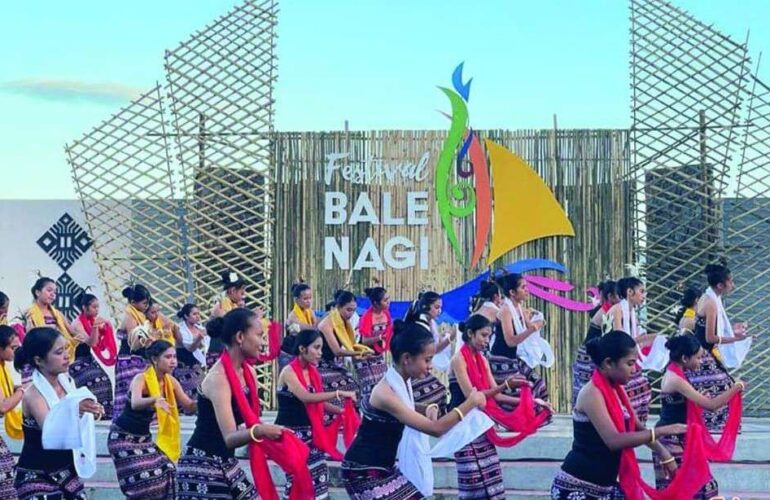
While most travelers dream of visiting the famous Komodo Island, few venture farther east to explore the heart of Flores. The Bale Nagi Festival 2025, held in East Flores Regency, is a vibrant celebration of Lamaholot culture that offers a deeply authentic experience off the beaten path. Whether planning a Komodo tour or a Labuan Bajo tour, this annual festival is the perfect reason to extend your trip and immerse yourself in a lesser-known but equally captivating corner of Indonesia.
Here are the top five reasons why the Bale Nagi Festival should be on your 2025 travel bucket list.
1. A Cultural Parade Like No Other
The heart of the Bale Nagi Festival lies in its spectacular cultural parade on the way to Komodo Island. Traditional dancers from across the region gather in ceremonial attire to perform age-old rituals passed down through generations. You’ll witness intricate war dances, bamboo music ensembles, and symbolic processions that honor ancestral spirits and nature. It’s not just a performance—it’s a living expression of identity and unity. For travelers interested in culture and heritage, this parade offers a rare window into East Flores’ soul.
2. Authentic Local Crafts and Textiles
During the festival, villages transform into open-air markets showcasing the region’s finest handmade crafts. Every piece tells a story, from ikat textiles woven with natural dyes to intricate wood carvings and shell jewelry. You can meet the artisans, who still use traditional techniques and looms. Shopping at Bale Nagi supports local livelihoods and offers the chance to bring home unique souvenirs that reflect the spirit of Flores.
No festival is complete without food, and Bale Nagi delivers a feast for the senses. Sample local dishes like Jagung Bose (a hearty corn soup), Ikan Kuah Asam (sour fish soup), and sweet cassava-based desserts. Each village has its culinary twist, often prepared with ingredients sourced from the sea and surrounding forests. Food stalls pop up throughout the event, giving you endless opportunities to try something new. It’s a delicious way to experience East Flores’ culture—one bite at a time.
4. Coastal Scenery and Hidden Beaches
East Flores is home to some of Indonesia’s most breathtaking coastal landscapes. Beyond the festival grounds, you’ll find pristine beaches, turquoise waters, and coral-rich coastlines. Nearby villages like Lewolema and Titehena offer panoramic views of volcanic hills meeting the sea. Suppose you’re coming from a Komodo liveaboard adventure or looking for a tranquil escape post-Labuan Bajo tour. In that case, East Flores is the peaceful contrast you didn’t know you needed.
5. A Gateway to Spiritual Pilgrimage and Local Wisdom
Bale Nagi isn’t just about celebration—it’s a homecoming. The name means “returning to the village,” the festival invites diaspora communities to reconnect with their roots. Visitors are welcome to join traditional ceremonies, learn about animist-Catholic blended beliefs, and engage with elders who share stories and songs rarely found in guidebooks. It’s a unique cultural immersion that enriches your travels beyond sightseeing.
If planning a trip to Komodo Island, consider extending your journey to coincide with the Bale Nagi Festival 2025. This hidden gem in East Flores offers more than just a side trip—it’s a celebration of community, culture, and nature at its most authentic. Whether you’re sailing on a Komodo liveaboard, exploring on a Komodo tour, or joining a Labuan Bajo tour, make room in your itinerary for an unforgettable encounter with the soul of Flores.
The Banda Sea, a breathtaking expanse in Indonesia’s Maluku Islands, once was a pivotal hub in the global spice trade. For centuries, merchants, explorers, and pirates sailed these waters, trading cloves and nutmeg—spices once more valuable than gold. Today, Fenides Liveaboard offers a unique opportunity for modern adventurers to retrace these historic maritime routes, blending luxury, history, and world-class diving in one unforgettable journey.
A Glimpse into the Spice Trade Legacy
In the 16th and 17th centuries, the Banda Islands, or Spice Islands, were crucial to international trade because of their valuable spices. European powers, including the Dutch, Portuguese, and British, fought fiercely to control the trade of nutmeg and cloves. These tiny islands shaped international trade, diplomacy, and even warfare. While the spice trade has long faded, the remnants of this past—centuries-old fortresses, sunken ships, and abandoned settlements—remain preserved in the Banda Sea’s depths.
Diving into History: Exploring Underwater Relics
When you sail on the Fenides Liveaboard, you can discover the amazing history hidden beneath the waves of the Banda Sea. Underwater, you can find old shipwrecks from the colonial era, cannons covered in coral, and forgotten treasures. One interesting site is the wreck of the HMS Vereenigde Oostindische Compagnie, which tells the story of the powerful Dutch East India Company. These waters are also filled with tales of pirates and lost ships that once carried stolen riches, now resting quietly on the ocean floor.
For divers, the Banda Sea offers a unique blend of history and biodiversity. Pristine reefs, teeming with marine life, surround the ancient relics, creating an extraordinary contrast between past and present. From manta rays gliding above coral gardens to walls of barracudas circling over wreck sites, every dive with Fenides Liveaboard is an encounter with history and nature.
Luxury and Exploration: The Ultimate Sailing Experience
A journey through the Banda Sea isn’t just about history—it’s about experiencing the beauty of Indonesia in ultimate comfort. Fenides Liveaboard is a top-notch luxury yacht in Indonesia that combines exciting adventures with peaceful relaxation. With spacious cabins, top-tier amenities, and expert guides, guests can immerse themselves in the rich past of the Spice Islands while enjoying world-class hospitality.
The yacht club atmosphere aboard Fenides Liveaboard ensures that every voyage is enriching and indulgent. Whether savoring gourmet cuisine under the stars, listening to expert-led historical briefings, or diving into uncharted waters, each moment is tailored for the modern explorer seeking a refined adventure.
Sailing Through Time: An Unforgettable Experience
The Banda Sea is a fantastic destination for those seeking a mix of history, luxury, and great diving. With Fenides Liveaboard, travelers experience the Spice Islands like never before. Sail through the same waters as 16th-century spice traders and explore hidden shipwrecks. It’s a remarkable journey through time.
Embark on an adventure where history meets the present, and every dive reveals a story waiting to be told. Book your luxury yacht Indonesia experience with Fenides Liveaboard and discover the lost trade routes of the Banda Sea in unparalleled style.
Bali’s pristine beaches are central to its global appeal, offering idyllic settings that attract millions of travelers each year. The promise of soft white sands and crystal-clear waters is a significant draw for visiting a Bali beachfront resort. However, growing concerns over pollution and litter have spurred local leaders to launch a clean tourism movement to restore the island’s natural beauty.
A new project led by Bali’s Tourism Office and local environmental groups is working to make popular beaches cleaner, cut down on plastic waste, and encourage visitors to be more environmentally friendly. This effort aims to make trips to Bali even better, especially for families looking for the ideal vacation spot.
A Community-Driven Approach to Beach Cleanliness
The clean tourism movement focuses on teamwork among local communities, businesses, and tourists. Beachfront resorts in Bali, especially in popular areas like Seminyak, Kuta, and Nusa Dua, are important for this cause. Many resorts practice sustainability by cutting down on single-use plastics and organizing beach clean-ups. For travelers, this leads to a better environment that meets their expectations of a luxurious experience at a Bali beachfront resort.
These efforts add significant value to families’ stays in Bali. Parents can now enjoy more pristine beaches with their children, creating memories in a cleaner, safer environment. This aligns perfectly with the promise of the best family resort in Bali, where both luxury and eco-consciousness are part of the experience.
Tourists staying at a Bali beachfront resort are encouraged to participate in the movement. Many resorts now offer programs that allow guests to contribute directly to environmental conservation, such as eco-tours, workshops, and guided beach-cleaning activities. These programs make a positive impact and deepen travelers’ connection to the island’s culture and natural beauty.
Visitors can enjoy a guilt-free vacation by choosing accommodations that prioritize sustainability, such as a leading Bali beachfront resort. Families, in particular, can explore these eco-conscious options to ensure their trip is as meaningful as relaxing. After all, the best family resort in Bali is about luxurious amenities and contributing to preserving the island for future generations.
The Road Ahead
Bali’s beaches are becoming more appealing to travelers as the clean tourism movement grows. This effort is important to keep Bali known as a top vacation spot, especially for those who love beautiful, unspoiled beaches at seaside resorts.
The collective efforts of the government, local communities, and the tourism industry are setting a benchmark for sustainable tourism practices worldwide. Visitors can look forward to a more beautiful and environmentally friendly Bali, ensuring their next stay at the best family resort in Bali is everything they dreamed of.
In the end, these efforts not only preserve Bali’s natural beauty but also impact how the world views sustainable tourism.
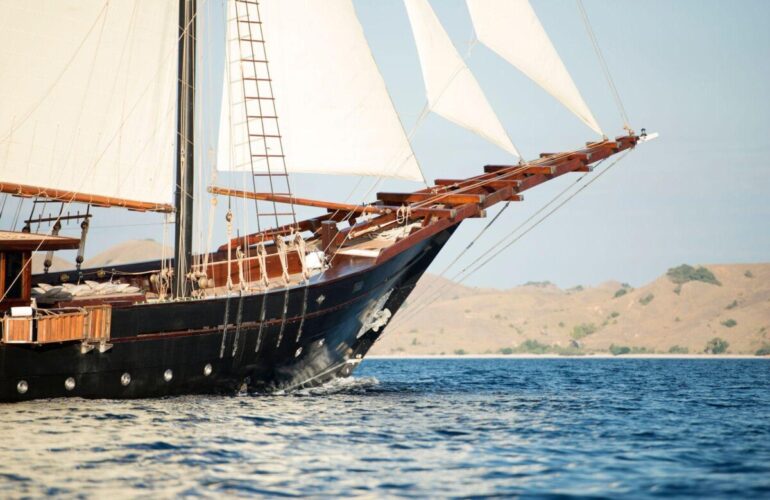
When organizing a vacation for your family or a group of friends, it’s important to find the right mix of comfort, fun, and luxury. The Amandira, a beautiful luxury yacht The Yacht Club Indonesia offers, combines all these elements to create an amazing experience you’ll never forget. Here are five reasons Amandira is the ideal choice for your next family or group getaway.
Spacious Design for Large Groups
Amandira yacht is designed for large groups, offering great space for everyone to relax and enjoy their time on board. With multiple cabins that accommodate up to 10 guests, Amandira ensures that families and groups enjoy privacy and comfort. The yacht’s open-plan layout includes a spacious lounge and dining area where you can share meals and socialize in a relaxed setting. Whether you’re hosting a family reunion or a group of friends, Amandira’s size allows everyone to enjoy their time together without feeling cramped.
Tailored Experiences for All Ages
One of the standout features of Amandira is its ability to offer tailored experiences for every guest. Families with children, adventure-seekers, and those looking for relaxation can all find activities that suit their interests. Amandira’s crew is adept at organizing bespoke itineraries, from snorkeling in Raja Ampat’s crystal-clear waters to cultural excursions in Komodo. Younger guests can enjoy fun water toys like jet skis and paddleboards. Adults may prefer a private beach barbecue or a sunset cruise.
Amandira has a professional crew dedicated to providing exceptional service throughout your stay. The team includes a private chef who can craft customized menus for various dietary preferences, ensuring every meal is a glorious dining experience. Whether you’re enjoying a gourmet breakfast on the deck or a candlelit dinner under the stars. Amandira yacht offers a luxurious setting for every occasion. Additional services, such as spa treatments and massage therapy, are available, adding another layer of indulgence to your vacation.
Ideal for Both Adventure and Relaxation
Amandira is the perfect blend of fun and relaxation, making it a perfect choice for families and groups with different interests. You can explore beautiful, remote islands, dive into the amazing underwater world of Raja Ampat, or enjoy water sports together. Amandira takes you to some of Indonesia’s most stunning and untouched spots. When you want to relax, the yacht creates a peaceful setting where you can soak up the sun on the deck or watch a movie in the cozy lounge. Amandira is designed for everyone, whether you’re looking for adventure or a calm getaway.
Privacy and Luxury in Seclusion
One of the most significant advantages of chartering Amandira for your family or group vacation is its level of privacy. Unlike hotels or resorts, where crowds surround you, Amandira allows you to explore the stunning Indonesian archipelago in total privacy. The yacht is your exclusive retreat, where you can enjoy time with loved ones without interruption. Whether anchoring in a secluded bay or exploring remote islands, Amandira offers a sense of freedom and luxury that is hard to match.
For families and groups seeking a memorable and luxurious vacation, Amandira is the perfect yacht. With its spacious design, tailored experiences, exclusive services, and the ideal blend of adventure and relaxation. Amandira ensures that every guest has an unforgettable experience. Set sail on a once-in-a-lifetime adventure through Indonesia’s stunning waters and create lasting memories with your loved ones aboard Amandira.