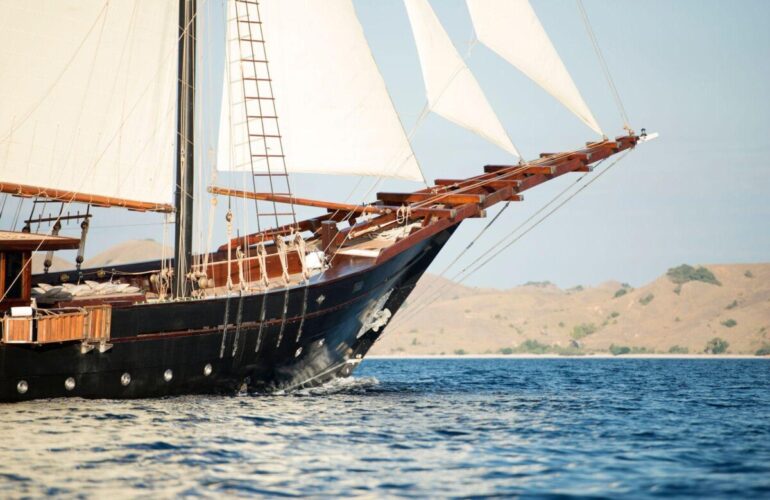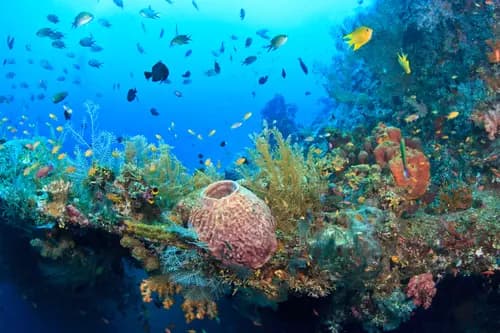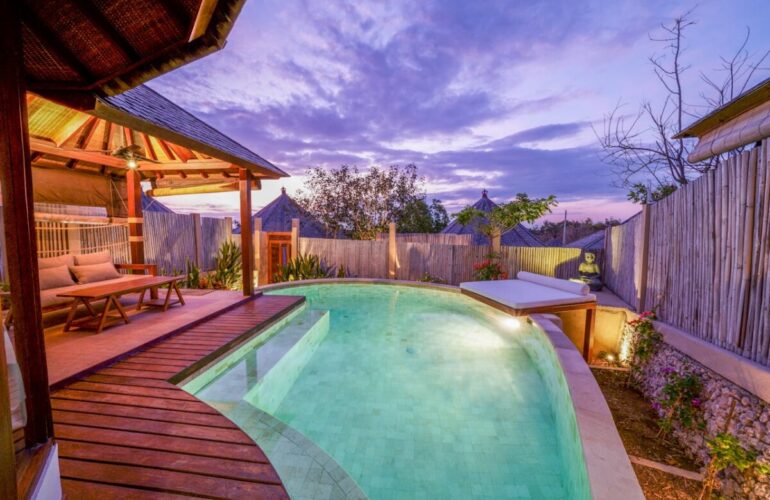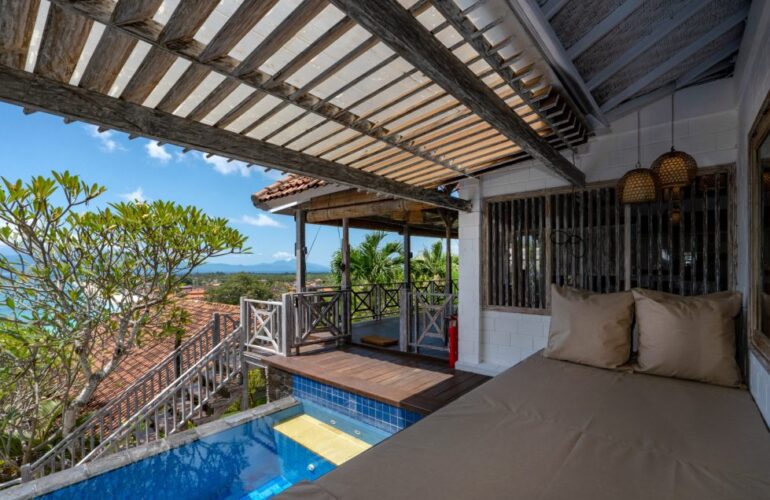
Lembongan Accommodation

Slow Island Living: Lembongan Island Accommodation for Over-50s Travelers

Lembongan Island Accommodation can offer something many over-50s travelers increasingly value: the chance to slow down without feeling disconnected from the world.

Nusa Lembongan is not an island that needs to be rushed. Located southeast of Bali, this small island is best experienced through unhurried breakfasts, coastal views, gentle exploration, and time to simply enjoy being near the sea. For travelers over 50, the appeal is often less about chasing every attraction and more about finding the right balance between comfort, accessibility, activity, and relaxation.

This guide looks at what slow island living in Nusa Lembongan can realistically offer, including where to stay, how to get around, gentle things to do, and what to know about healthcare access before traveling.

Why Does Nusa Lembongan Suit a Slower Style of Travel?

Nusa Lembongan is relatively small, with an area of around 8 square kilometers, making it possible to explore many parts of the island without long days of travel. Its position just off Bali also means that visitors can reach it by fast boat rather than taking a domestic flight.

For travelers over 50, this compact scale can be a significant advantage.

A holiday does not need to involve changing hotels every few days or spending hours traveling between destinations. Instead, visitors can establish a comfortable base and explore at their own pace.

The island’s appeal lies in its rhythm. Mornings can begin with breakfast overlooking the ocean, followed by a short outing, a swim, or a quiet afternoon. There is no requirement to fill every hour.

For travelers looking for the best place to stay in Nusa Lembongan, choosing the right location and accommodation may matter more than having the longest list of activities.

Choosing Comfortable Lembongan Island Accommodation

Not every property on Nusa Lembongan offers the same level of comfort or accessibility, so it is worth considering practical details before booking.

For many mature travelers, good accommodation on Lembongan Island means more than a beautiful view. Features such as easy access, private bathrooms, air conditioning, comfortable bedding, and proximity to restaurants or the beach can make a noticeable difference to the overall experience.

Travelers may also want to consider the terrain around their accommodation. Some areas of Nusa Lembongan involve steep roads, uneven pathways, or stairs, while others are easier to navigate on foot.

This is where staying in a well-positioned villa can offer more flexibility. Rather than constantly traveling across the island, guests can enjoy the surroundings directly from their accommodation.

Lembongan Island Beach Villas can be particularly appealing for travelers who prefer space, privacy, and the ability to follow their own schedule rather than adapting to the routines of a large resort.

Is Nusa Lembongan Easy to Get Around?

The honest answer is: it depends on your expectations and mobility.

Nusa Lembongan is not designed like a highly developed urban destination. Roads can be narrow, footpaths are not always continuous, and some areas are hilly. Scooters remain a common form of transport, but they may not be suitable for every traveler over 50.

Fortunately, scooter rental is not the only option.

Private drivers, golf carts in some areas, and arranged transfers can provide a more comfortable way to move around. For visitors who prefer not to drive themselves, organizing transport through their accommodation can remove much of the stress.

The key is not to assume that everything is within easy walking distance simply because the island is small.

A good slow-travel approach is to choose one or two activities per day, allow extra time for transport and avoid building an itinerary around constant movement.

Gentle Activities Beyond the Typical Island Checklist

One of the advantages of Nusa Lembongan is that visitors can enjoy the island without needing to participate in physically demanding activities.

A coastal drive can provide access to dramatic viewpoints without requiring a long hike. Beachfront restaurants offer an easy way to spend an afternoon. Sunset watching, spa treatments and relaxed swimming can all become part of the itinerary.

For those who enjoy being in the water, snorkeling in Nusa Lembongan can be an option, depending on sea conditions and individual confidence levels. A private or small-group Nusa Lembongan snorkeling tour may be preferable for travellers who value a more relaxed pace and the ability to ask questions before entering the water.

It is important to remember that ocean conditions can change. Currents can be strong around the Nusa Islands, so choosing experienced operators and following local safety advice is essential.

For more experienced and medically fit travellers, Nusa Lembongan diving also provides access to the region’s marine environment. However, diving should be approached according to individual experience, certification and fitness rather than age alone.

Slow island living is not about doing nothing. It is about choosing activities that leave enough space to enjoy them.

What About Healthcare and Medical Access?

This is an important consideration for over-50s travellers, and it is better to be realistic.

Nusa Lembongan has local clinics and medical services that can assist with many routine or urgent needs. However, the island does not offer the same level of specialist healthcare infrastructure available in mainland Bali.

For more serious medical situations, patients may need to be transferred to Bali, depending on the nature of the emergency and available services.

This does not mean that older travellers should avoid Nusa Lembongan. It simply means planning ahead.

Before travelling, consider:

  • Carrying sufficient supplies of prescription medication.
  • Keeping medication in its original packaging.
  • Bringing a copy of important medical information.
  • Purchasing travel insurance that includes appropriate medical coverage and evacuation if required.
  • Checking the location of the nearest clinic from your accommodation.
  • Discussing travel plans with a healthcare professional if you have concerns about fitness for boat travel or specific activities.

Reassurance comes from preparation. Knowing where help is available and having appropriate insurance can make the experience feel far more relaxed.

A Different Kind of Island Itinerary

A typical three- or four-day itinerary for Nusa Lembongan does not need to be crowded.

Day one can focus on arrival, settling into your villa and enjoying the beach or nearby restaurants.

Day two might include a gentle island tour with scenic stops and a long lunch.

Day three could be dedicated to the water, whether that means swimming, a relaxed boat excursion or snorkeling.

The final day can be intentionally unplanned.

That may sound simple, but it reflects the real value of Lembongan Island Accommodation for slow travellers: having a comfortable place to return to rather than treating accommodation as nothing more than somewhere to sleep.

Evenings can be equally uncomplicated. There is no need to search for nightlife unless you want it. Visitors can enjoy a quiet dinner by the sea or explore some of the best bars Nusa Lembongan at a pace that suits them.

Slow Island Living Is About Comfort, Not Age

Travel after 50 does not have to mean avoiding adventure.

It can mean becoming more selective about the kind of adventure you want.

Nusa Lembongan works particularly well for travellers who value comfort but do not want to feel isolated inside a resort. It offers ocean activities, island scenery and opportunities to explore while remaining compact enough for a relaxed stay.

The secret is to plan realistically.

Choose accommodation based on accessibility as well as aesthetics. Arrange transport when needed. Avoid overloading each day. Check healthcare and insurance arrangements before departure.

Most importantly, leave room for spontaneity.

A memorable island holiday does not always come from seeing the maximum number of beaches or attractions. Sometimes, it comes from having nowhere urgent to be.

For over-50s travellers, that may be the real beauty of Nusa Lembongan: an island where the journey can slow down, while the experience remains full.
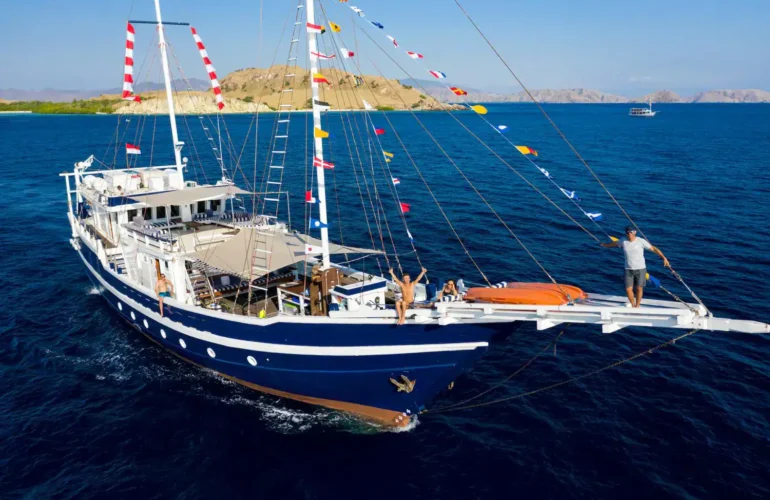

Seahorse Liveaboard

Can Beginners Join the Seahorse Diving Liveaboard? A Complete Guide to Your First Luxury Dive Cruise

For many first-time divers, joining a luxury liveaboard can feel intimidating. Questions about experience, safety, and whether they’ll be able to keep up often come to mind. The good news is that Seahorse Diving Liveaboard offers an experience that many beginners can confidently enjoy with the appropriate certification and the right itinerary.

Whether you’re planning your first Seahorse Liveaboard adventure or comparing different options, understanding what to expect can help you book with confidence.

Unlike many people imagine, a luxury dive cruise isn’t only for highly experienced divers. With professional dive guides, carefully planned dive schedules, and personalized service, beginners often discover that a liveaboard is one of the most comfortable ways to improve their skills while exploring Indonesia’s spectacular underwater world.

Why Beginners Choose Luxury Liveaboards

Many divers assume they need hundreds of logged dives before boarding a luxury yacht. In reality, this depends on the itinerary rather than the yacht itself.

Some destinations feature calm reefs with gentle currents, while others are designed for advanced drift diving. Before booking, operators evaluate guests’ certification levels and recent diving experience to recommend suitable itineraries.

According to PADI, divers improve significantly through repeated dives completed over consecutive days rather than occasional weekend diving. A liveaboard naturally provides this environment by allowing guests to complete multiple dives daily under professional supervision.

For beginners, this consistent practice often leads to noticeable improvements in buoyancy, confidence, air consumption, and underwater awareness.

What Makes Seahorse Diving Liveaboard Beginner-Friendly?

One of the biggest advantages of Seahorse Diving Liveaboard is its balance between luxury hospitality and professional dive operations.

Instead of worrying about transportation between resorts and dive centers, everything is organized onboard. Divers wake up already positioned near the day’s dive sites, maximizing time underwater while minimizing travel stress.

Several features particularly benefit new divers:

  • Experienced multilingual dive guides
  • Small dive groups for personalized attention
  • Comprehensive dive briefings before every dive
  • Comfortable cabins for better recovery
  • Professional equipment support
  • Flexible dive participation based on confidence level

Luxury also plays a larger role than many realize. Comfortable accommodation, nutritious meals, and proper rest all contribute to better physical recovery between dives, allowing beginners to stay energized throughout the trip.

Can Beginners Handle Indonesia’s Famous Dive Destinations?

Indonesia offers extraordinary biodiversity, but each destination presents different challenges.

For example:

Raja Ampat

Many reefs feature gentle conditions suitable for newer divers, while certain sites involve stronger currents. Experienced guides carefully match guests with appropriate dive sites, making Raja Ampat Diving accessible to a wide range of certification levels.

Komodo National Park

Some sites involve exhilarating drift dives that require greater experience, while others provide calm coral gardens ideal for skill development during Diving Komodo adventures.

Triton Bay

Known for exceptional biodiversity and whale shark encounters, Triton Bay Diving combines relatively relaxed diving conditions with remarkable marine life.

Halmahera

Less crowded than many famous destinations, Halmahera Diving offers pristine reefs, colorful coral ecosystems, and rewarding experiences for divers seeking quieter adventures.

How Quickly Can Beginners Improve on a Liveaboard?

One reason many instructors recommend liveaboards is the frequency of diving.

A typical luxury cruise offers:

  • 3–4 dives per day
  • Night dives (when appropriate)
  • Multiple consecutive diving days

Research published by Divers Alert Network (DAN) indicates that repetitive diving under controlled conditions accelerates confidence and skill retention compared with infrequent recreational diving.

Within one week, beginners commonly improve:

  • Buoyancy control
  • Air consumption
  • Trim positioning
  • Marine life observation
  • Underwater communication
  • Camera handling

These improvements occur naturally through consistent practice rather than intensive classroom instruction.

Luxury Doesn’t Mean Advanced Divers Only

Many people associate luxury yachts exclusively with expert underwater photographers or technical divers.

In reality, luxury simply means having better support.

Professional crews handle logistics, prepare equipment, organize meals, maintain cabins, and ensure every dive runs smoothly. This allows beginners to focus entirely on learning and enjoying each dive.

Compared with land-based diving, liveaboards eliminate daily packing, transfers, and scheduling complications.

This creates a far more relaxed learning environment.

Choosing the Right Itinerary Matters More Than Experience

Rather than asking:

“Am I experienced enough?”

A better question is:

“Which itinerary matches my current diving level?”

Professional booking specialists consider:

  • Certification level
  • Number of logged dives
  • Recent diving activity
  • Comfort with currents
  • Personal travel goals

This personalized approach ensures beginners enjoy safe, rewarding experiences without feeling overwhelmed.

If you’re comparing vessels, you may also come across options like Ambai Liveaboard, each offering different itineraries, facilities, and dive styles. Selecting the right yacht depends on your experience and travel preferences rather than on choosing the most famous name.

Whether you’re planning a Dive Cruise in Indonesia, searching for the Best Raja Ampat Liveaboard, or simply exploring your first Diving Liveaboard, choosing an itinerary that matches your abilities is the key to an enjoyable adventure.

Final Thoughts

The answer is simple: Yes, beginners can absolutely join Seahorse Diving Liveaboard, provided they meet the certification requirements and select an itinerary suited to their experience.

Rather than waiting years to become an “expert,” many divers discover that a professionally operated luxury liveaboard is actually one of the fastest ways to build confidence, gain valuable experience, and explore some of the world’s richest marine ecosystems.

From vibrant coral reefs to unforgettable encounters while diving in Indonesia, every journey becomes both an adventure and an opportunity to grow as a diver.

If you’re ready to take your first luxury diving holiday, Seahorse Diving Liveaboard offers the comfort, guidance, and world-class destinations that make every dive memorable.

Wellness Trends and Deals to Watch in 2026

In 2026, the health and wellness landscape continues to evolve rapidly, driven by a blend of innovative products, heightened consumer awareness, and strategic seasonal promotions. This evolution is shaped not only by advances in technology and greater access to health information but also by shifting cultural attitudes toward wellness as a lifelong practice rather than a one-time goal. Post-pandemic awareness has further accelerated interest in holistic approaches that integrate physical, mental, and emotional well-being more seamlessly.

These trends not only highlight new ways people approach self-care but also offer numerous opportunities for consumers to engage with wellness at a more affordable cost. Understanding current health and wellness trends alongside timely deals can empower individuals to make informed choices that support their physical and mental well-being year-round, helping them adopt sustainable lifestyle habits.

Current Health and Wellness Trends in 2026

The wellness industry in 2026 showcases a variety of trends that emphasize holistic health approaches, sustainability, and technology integration. Key movements include the rise of personalised health solutions, increased interest in mental health support, and the adoption of plant-based nutrition. Digital health tools and wearable devices also remain central, providing users with detailed insights into their physical activity, sleep patterns, and stress management.

Consumers are increasingly drawn to products and services that offer transparency in sourcing and production, reflecting a broader commitment to sustainability. This shift is evident in the popularity of eco-friendly packaging, organic ingredients, and brands that prioritise ethical practices. Additionally, mindfulness and meditation apps have continued to grow as people seek accessible ways to reduce stress and improve emotional resilience.

Popular Wellness Products and Services on Sale

Among the trending wellness products in 2026 are advanced fitness trackers that monitor heart rate variability and oxygen saturation, blue-light-blocking eyewear designed to reduce eye strain from prolonged screen use, and natural supplements that target inflammation and promote gut health through prebiotics and probiotics. These products address common lifestyle challenges faced by many in today’s digital and fast-paced world.

Services such as online therapy sessions have gained traction for providing convenient, confidential mental health support without geographic barriers. Virtual yoga classes appeal to those seeking flexibility and accessibility for physical activity, while personalised nutrition coaching uses data-driven insights to optimise diet plans tailored to individual needs. These offerings align closely with consumer priorities for convenience, personalization, and integral health management, facilitating deeper engagement with wellness routines.

Top Seasonal Wellness Deals and How to Benefit

Seasonal wellness deals in 2026 provide valuable opportunities for consumers to invest in their health without overspending. Major sales periods include traditional retail events like Black Friday and Cyber Monday, with Amazon Prime Day becoming a crucial date for wellness-related promotions. By planning purchases around these sales, buyers can access discounts on high-demand products and services, often including exclusive bundles.

To maximise the benefits of these deals, consumers should be strategic about timing their purchases and comparison shopping. Monitoring deal cycles and subscribing to retailer newsletters can provide early access to promotions. Additionally, evaluating the total value of bundled offers or membership discounts can yield greater savings than buying items individually.

How to Choose Deals That Improve Your Well-being

Choosing wellness deals requires more than chasing the lowest price. Consumers should evaluate how a product or service supports their specific health goals and lifestyle. For example, a discounted fitness tracker is worthwhile only if it provides features compatible with their exercise habits or health status, such as GPS tracking for runners or sleep monitoring for those with rest issues. Similarly, supplement deals should focus on trusted formulations backed by scientific research and consider third-party testing certifications.

Prioritising vendors or platforms known for product authenticity, transparent ingredient sourcing, and strong customer support enhances the overall shopping experience and reduces risks. Avoiding impulse buys by creating a wellness wishlist aligned with personal objectives helps ensure that purchases meaningfully contribute to long-term health. Reading verified customer reviews and seeking expert advice can also guide better decision-making.

Expert Insights on the Health Benefits of Wellness Deals

Experts emphasize that well-chosen wellness deals not only offer financial savings but can improve health outcomes by increasing access to beneficial products and services. Health professionals highlight that effective use of deals on mental health apps, fitness programs, or dietary supplements can reinforce positive habits and promote sustained wellbeing.

Scientific research supports the role of digital health tools and evidence-based supplements in enhancing physical and psychological health. Timely access to these resources through deals can motivate individuals to maintain consistent routines, which are critical to experiencing lasting health benefits.

Scientific Perspectives on Deal-Related Wellness Benefits

Studies indicate that affordability plays a significant role in adherence to health interventions. When wellness products or services are available through discounted deals, users show higher engagement and satisfaction. This increased usage contributes to improved health markers, including reduced anxiety, better sleep quality, and enhanced physical fitness.

Experts also note the importance of education alongside purchasing decisions. Deals that offer educational content or coaching support tend to amplify the overall impact on health, guiding consumers to integrate product use into broader lifestyle improvements. For instance, a meditation app coupled with instructional webinars can foster greater consistency in mindfulness practice.

Case Study Highlights: Amazon Prime Day Wellness Deals

Amazon Prime Day in 2026 stands out as a pivotal event for wellness shoppers. This global sales event features a wide array of wellness categories, including fitness equipment, personal care items, nutritional supplements, and digital wellness subscriptions. The event typically offers significant discounts aimed at both new and existing customers.

Summary of Amazon Prime Day Wellness Offers in 2026

In 2026, Prime Day wellness deals showcased innovative fitness gadgets such as smart scales that analyze body composition, heart rate monitors with advanced metrics, organic skincare bundles suited for sensitive skin, and subscription discounts for popular meditation and workout apps. The event also highlighted emerging wellness brands that combine technology and sustainability, reflecting evolving consumer preferences.

Shoppers during Prime Day benefit not only from price reductions but also from exclusive product launches and bundled savings. These offers help demystify wellness investments by making high-quality options more approachable and encouraging trial of products previously considered premium or niche.

To navigate the event successfully, shoppers are advised to prepare wish lists in advance, track deal start times, and leverage app notifications for flash sales. Comparing similar products during the event can lead to better choices and maximise savings.

Conclusion

The year 2026 presents a dynamic environment for health and wellness with evolving trends and strategic seasonal deals shaping consumer choices. The combination of technological advancement, greater health awareness, and increased access through well-timed deals empowers individuals to engage more deeply with their wellness journeys.

By understanding current wellness movements, leveraging timely promotions, and considering expert insights, consumers can make meaningful investments in their health. Approaching wellness purchasing with informed strategies helps individuals enhance their well-being while making economically smart decisions. This holistic perspective on wellness ultimately supports sustainable health improvements and a resilient lifestyle throughout the year.

mutiara laut yacht charter

Mutiara Laut Yacht Charter: An Expert Review and Practical Booking Guide

The Mutiara Laut yacht charter offers a distinctive experience for travellers seeking a blend of adventure and luxury cruising around Indonesia’s Komodo National Park. Renowned for its blend of traditional Indonesian craftsmanship and modern comforts, the yacht creates an inviting atmosphere where guests can fully immerse themselves in the region’s rich marine biodiversity and breathtaking landscapes. This expert review and practical guide aims to provide a thorough overview of what to expect aboard the Mutiara Laut, a notable yacht charter in the area. Whether opting for a shared cruise or a private charter, Mutiara Laut promises a well-balanced combination of comfort, style, and unrivalled access to some of the world’s most stunning marine landscapes, delivering an unforgettable journey for travellers with diverse preferences and budgets.

Why Choose Mutiara Laut Yacht Charter?

The Mutiara Laut yacht stands out for its reputable service and well-crafted itineraries that cover the diverse sights of Komodo National Park. Offering both shared and private charter experiences, this yacht allows passengers to enjoy the vibrant marine biodiversity and scenic islands with a level of comfort that appeals to discerning travellers. The vessel’s blend of traditional Indonesian craftsmanship and modern amenities provides an inviting atmosphere onboard. Additionally, Mutiara Laut is frequently praised for its knowledgeable crew and excellent safety standards, making it a trusted choice for those exploring this unique part of Indonesia.

Travellers often cite the warm hospitality and professional service as reasons to choose Mutiara Laut over other options. Its spacious decks offer ample room for relaxation and socialising, while the cabin interiors balance simplicity with elegance, enhancing the overall cruising experience. Whether guests are seasoned sailors or first-time cruisers, the yacht’s design and service tend to meet a wide range of expectations.

Types of Yacht Charters Available

Mutiara Laut offers several charter options tailored to different travel preferences. Shared charters provide a social yet intimate setting ideal for solo travellers or small groups looking to meet like-minded adventurers. This option strikes a balance between affordability and luxury, allowing guests to enjoy excellent amenities without the premium cost of a full private charter.

In contrast, private charters offer exclusivity and flexibility, allowing guests to customise their route and onboard experiences. This is perfect for families, couples, or groups seeking privacy and a bespoke itinerary. Compared to other Komodo charters, Mutiara Laut distinguishes itself by its spacious deck areas, quality onboard facilities, and well-balanced itineraries that include scuba diving, snorkeling, and trekking.

This versatility ensures travellers find an option that matches both their budget and their desired experience. For example, a shared charter itinerary might include group snorkeling sessions at renowned coral reefs, while private charters can arrange personalised diving excursions or custom shore excursions. Understanding these differences helps prospective cruisers decide the best fit for their adventure expectations.

Comfort and Onboard Experience

Comfort aboard the Mutiara Laut is a defining feature. The yacht boasts elegantly designed cabins with ample space, comfortable bedding, and private bathrooms. The tasteful blend of Indonesian décor with modern conveniences creates a relaxing and welcoming environment. Communal areas include a cozy lounge and dining space, where guests enjoy delicious Indonesian and international cuisine prepared fresh daily by the onboard chef.

Outdoor decks are perfect for sunbathing, reading, or simply taking in the panoramic views of the Komodo seascape. Many travellers appreciate the ability to spot marine life, such as flying fish or dolphins from the deck while sipping a refreshing drink. The yacht also maintains high standards of cleanliness and personalised service, contributing to an enjoyable voyage.

For those interested in luxury, upgraded cabins and enhanced amenities are available. These may include suites with more space, premium bedding, and additional privacy, elevating the overall onboard experience. Amenities such as Wi-Fi access, Spa treatments, or personalised excursion planning can sometimes be arranged via the booking agent or onboard staff, offering an added layer of comfort and convenience.

Detailed Itinerary of the Shared Cruise

A typical Mutiara Laut shared cruise lasts 3 to 5 days and visits highlights such as Komodo Island, Padar Island, and Pink Beach. The itinerary often includes snorkeling stops at vibrant coral reefs and guided hikes to panoramic viewpoints. Each day blends activities like scuba diving and trekking with moments for relaxation, allowing guests to soak up the natural beauty without feeling rushed.

Optimal sailing seasons range from April to December, avoiding the heavier monsoon rains of January to March. This timing maximises clear waters and pleasant weather for outdoor activities. Travellers during this period can enjoy calm seas, making snorkeling and diving safer and more enjoyable.

Beyond popular spots, the itinerary occasionally includes lesser-known islands or secluded bays for swimming and beachcombing, adding an element of discovery. This well-rounded itinerary creates a memorable yet balanced approach to exploring Komodo’s natural wonders, suitable for adventurers, nature lovers, and those seeking tranquillity alike.

Booking Tips and Trusted Operators

Booking a Mutiara Laut yacht charter can be straightforward when managed through reputable operators. It is recommended to book well in advance, especially for peak travel seasons, as availability can become limited well before the travel dates. Prospective guests should verify operator credentials by checking past traveller reviews and certifications.

Communicating your preferences, such as cabin type and dietary requirements, early will enhance the experience. It is also wise to inquire about which excursions and equipment (such as diving gear or snorkeling sets) are included in the package and which might incur additional charges. Confirming cancellation policies beforehand helps avoid last-minute surprises, especially in unpredictable weather conditions.

Trusted agents often offer package deals that include airport transfers to and from Labuan Bajo, the departure point for Komodo cruises. Asking about transportation options and timing can help streamline your overall trip planning. Being clear about your budget and expectations with the booking agent can lead to better-tailored recommendations and sometimes discounts or added perks.

Pricing and Luxury Charter Options

Mutiara Laut pricing varies based on charter type, duration, and cabin class. Shared cruises offer competitive rates, making this an accessible way to experience a luxury yacht in Komodo waters without the full expense of private charters. For travellers seeking exclusivity, private charters are available at premium prices and offer added flexibility and personalised services.

Luxury options may include upgraded cabin suites, private chef services, dedicated guides, and custom shore excursions. These add-ons greatly enhance the onboard experience but should be budgeted for accordingly. It is often helpful to compare what is included in different packages to understand the overall value. For example, some operators may bundle snorkeling gear and park entrance fees, while others price them separately.

Understanding the inclusions and comparing these against your budget ensures the best value for your investment and helps set realistic expectations for your holiday.

Traveller Reviews and Ratings

Feedback from previous passengers highlights Mutiara Laut’s consistent high standards. Many commend the warm, professional crew, the vessel’s cleanliness, and the immersive itinerary that balances popular spots with hidden gems. For instance, one traveller noted, “The crew went above and beyond, making us feel at home while exploring stunning locations not found in typical tour guides.”

Occasional critiques focus on the shared charter size and scheduling rigidity, which are typical of group tours, but most guests appreciate the opportunity to socialise and meet fellow travellers. Overall, traveller ratings reflect satisfaction with both the cruise experience and the booking process when conducted through trusted operators, enhancing confidence for future guests.

Travel Logistics and How to Get There

Safety and Health Considerations

Labuan Bajo on Flores Island serves as the main gateway for the Mutiara Laut yacht charter. Most travellers arrive by flight from Bali or Jakarta, with several daily connections depending on the season. Ensuring timely arrival allows smooth onboarding to the yacht without rushing.

Health-wise, it is advisable to bring seasickness remedies and stay hydrated throughout the cruise. The yacht adheres to international safety protocols, including the provision of life jackets and trained crew for emergencies. Guests should also pack essential items such as sunscreen, hats, and appropriate footwear for water activities and trekking to ensure a comfortable and safe trip.

Preparation Checklist for Your Cruise

Essential preparation includes packing lightweight clothing, swimwear, sun protection, and appropriate trekking footwear. Electronic chargers and waterproof bags for valuables are also helpful. Booking any necessary equipment, such as diving certifications or special medications, in advance will streamline your experience.

Being physically prepared for daily activities, especially hiking and water sports, is beneficial because these activities are active and rewarding.

Frequently Asked Questions

This section typically covers inquiries about age restrictions, food options, onboard internet access, and cancellation policies. Most charters permit children above a certain age and cater to various dietary needs with advance notice. Internet connectivity may be limited to areas with strong signals near islands and ports, so travellers should plan accordingly if constant access is needed.

Additional common questions include luggage restrictions, emergency procedures, and booking modifications, which operators address transparently when contacted.

Is Mutiara Laut Right for You?

Choosing the Mutiara Laut yacht charter offers an expert-curated balance of adventure, comfort, and luxury for those eager to explore Komodo National Park. With flexible charter options, attentive service, and well-planned itineraries, it suits diverse traveller expectations from social shared cruises to private bespoke journeys.

The yacht’s combination of traditional design and modern amenities provides a unique blend of authenticity and convenience. Practical booking guidance and credible operator partnerships ease the process, allowing focus on savouring Indonesia’s spectacular marine landscapes. Whether a first-time cruiser or seasoned traveller, Mutiara Laut represents a compelling choice in the Komodo yacht charter market, promising memorable experiences and excellent value.

Amandira Yacht sailing through Indonesia seas.

Komodo Liveaboard: The Complete Guide to Sailing Komodo National Park in 2026

A Komodo liveaboard is the single best way to experience one of the most biodiverse marine parks on the planet. Stretching across 1,817 square kilometres of open water, volcanic islands, and protected reef systems in eastern Indonesia, Komodo National Park demands more than a day trip; it rewards those who sleep on the water, wake to new anchorages, and dive site after site without rushing back to shore. Whether you are drawn to encounters with Komodo dragons, world-class wall dives, or the stark beauty of savannah-covered islands rising from indigo seas, a liveaboard voyage from Labuan Bajo puts the entire park within reach.

Why a Liveaboard Is the Way to Do Komodo

Komodo National Park spans three major islands Komodo, Rinca, and Padar plus dozens of smaller islets scattered across the Flores Sea. The distances between key sites make land-based day trips impractical for anyone who wants to see more than one or two highlights. A Komodo liveaboard eliminates the back-and-forth, letting you dock at Padar Island for a sunrise trek, anchor at Manta Point by mid-morning, and reach a remote southern dive site by afternoon, all without retracing your route.

The format also solves a practical problem created by the park’s new visitor regulations. Starting in April 2026, the Indonesian government capped daily entries at 1,000 visitors, divided into three timed sessions of roughly 300 visitors each. During peak months like July, when daily footfall previously exceeded 1,700 visitors, that quota will sell out months in advance. Liveaboard operators who pre-register guests through the mandatory SiOra booking system secure those slots early, which is a significant advantage over walk-up arrangements.

The Marine World Below

Komodo National Park sits within the Coral Triangle, the global epicentre of marine biodiversity. The numbers are staggering: more than 1,000 species of tropical fish, 260 species of reef-building coral, 70 sponge varieties, and populations of manta rays, reef sharks, sea turtles, dolphins, and the rare dugong all thriving in nutrient-rich currents where the Indian Ocean and Flores Sea converge. There are over 50 recognised world-class dive sites in the park, ranging from gentle coral gardens suitable for beginners to advanced current dives where pelagic species patrol the blue.

Diving Komodo is unlike diving almost anywhere else in Southeast Asia. The convergence of warm tropical water and cooler upwelling creates conditions where both tropical reef species and temperate-water visitors like whale sharks coexist. Sites like Castle Rock, Crystal Rock, and Batu Bolong are legendary among experienced divers, while calmer spots near Sebayur and Siaba Besar offer excellent Komodo island diving for snorkellers and newer divers. A dedicated Komodo diving liveaboard typically carries full scuba equipment, a resident dive instructor, and kayaks or paddleboards for surface exploration between dives.

What to Expect On Board

Modern Komodo liveaboard vessels are a far cry from basic backpacker boats. Hello Flores, one of the established operators based in Labuan Bajo, curates a fleet that ranges from intimate two-cabin phinisi ships to larger 20-guest vessels with en-suite cabins, air-conditioned salons, and dedicated sundeck lounges. Many boats are built in the traditional phinisi style, double-masted wooden sailing ships originally crafted by Bugis and Makassar shipwrights but fitted with contemporary navigation, safety, and comfort systems.

A typical Komodo cruise runs two to four nights. Shorter itineraries cover the northern circuit (Padar Island, Komodo Island, Manta Point, Pink Beach), while extended voyages push south toward Horseshoe Bay and the current-swept channels favoured by advanced divers. Meals on board are generally full board, with the crew preparing a mix of Indonesian and Western dishes. Most boats carry snorkelling gear, and many include complimentary kayak use.

For travellers weighing a Komodo boat tour against a Komodo island tour or a land-based Labuan Bajo trip, the liveaboard consistently wins out in terms of access and time efficiency. You spend your hours exploring rather than commuting, and your floating accommodation travels with you.

Planning Your Labuan Bajo Trip

Labuan Bajo, the small port town on the western tip of Flores, is the departure point for virtually every Komodo tour. Direct flights connect Labuan Bajo to Bali (90 minutes) and Jakarta, making Komodo island tours from Bali straightforward to arrange. The town itself has grown rapidly, fuelled by Komodo tourism, which drew over 430,000 visitors to the national park in 2025 alone, yet it remains compact enough to navigate on foot.

Most travellers arrive a day early, settle into Labuan Bajo, and board their vessel the following morning. If you are booking an open trip to Labuan Bajo (shared-cabin sailing with other travellers), departures typically run on fixed schedules during peak season (May through October). For those seeking exclusivity, a private trip to Labuan Bajo and the park via a Komodo boat charter gives you full control over the itinerary, pace, and onboard experience.

Pricing varies widely. Budget-friendly Komodo trip options on shared boats start around USD 150–250 per person per night, while a luxury Komodo boat trip on a premium phinisi with private charter rates can run USD 500 or more per person per night. Hello Flores structures its offerings across both tiers, with dedicated support for matching travellers to the right vessel and itinerary.

Beyond the Park: Flores and the Wider Region

A Komodo tour package that extends beyond the national park opens up the broader Flores tour circuit. East of Labuan Bajo, the Trans-Flores Highway winds through volcanic mountains, traditional villages, and the famous tri-coloured crater lakes of Kelimutu. A combined sailing trip and overland Flores extension in Labuan Bajo is one of the most rewarding multi-day journeys in Indonesia.

Within the park, a Labuan Bajo tour typically includes guided treks on Rinca or Komodo Island to observe dragons in the wild, a sunrise hike on Padar for the iconic four-bay panorama, and at least one stop at Pink Beach, one of only a handful of naturally pink-sand beaches on Earth, coloured by microscopic Foraminifera organisms mixed into the sand.

For visitors with more time, a boat charter Komodo itinerary can incorporate southern Komodo sites, the bat colonies of Kalong Island, and extended Komodo diving sessions at remote reefs that day-trippers never reach. A Komodo boat charter of five to seven nights is the sweet spot for divers who want to cover both the northern and southern dive circuits comprehensively.

Best Time to Go

The dry season from May through October offers the calmest seas, clearest visibility, and most comfortable sailing conditions. Water temperatures hover between 27°C and 29°C year-round, but visibility peaks during the dry months at 20–30 metres. July and August are the busiest months, and with the new 1,000-visitor daily cap, booking a Komodo cruise six or more months ahead during peak season is now essential rather than optional.

The shoulder months of April and November can offer excellent conditions with fewer crowds, while the wet season (December through March) brings rougher seas and occasional thunderstorms that limit itinerary flexibility. However, southern dive sites like Cannibal Rock are actually at their best during the wetter months, when plankton-rich currents attract manta rays and whale sharks in greater numbers.

How to Book

Booking a Komodo liveaboard through an established operator like Hello Flores ensures your park entry slots, vessel safety standards, and crew qualifications are handled professionally. Hello Flores operates from Labuan Bajo and offers both private Komodo boat charters and shared-cabin Komodo tours, with itineraries customisable to your group size, budget, and diving certification level.

Whether you are planning a dedicated Komodo trip for diving, a scenic sailing holiday through the Flores Sea, or a combined adventure covering trekking, wildlife, and underwater exploration, the liveaboard format remains the gold standard and the most practical way to make the most of this extraordinary corner of Indonesia.

Découvrez la croisière plongée Raja Ampat avec conseils saison, zones de plongée, biodiversité marine et itinéraires liveaboard.

Croisière Plongée Raja Ampat pour Explorer les Récifs les Plus Riches d’Indonésie

Une croisière-plongée à Raja Ampat permet de découvrir l’un des environnements marins les plus spectaculaires du monde, avec davantage de liberté que lors d’un séjour terrestre classique. À bord d’un liveaboard, les plongeurs dorment au plus près des sites, changent de zone selon les conditions et explorent plusieurs paysages sous-marins au cours du même voyage.

Pourquoi Raja Ampat Fascine les Plongeurs

Raja Ampat est une destination emblématique de la Papouasie occidentale. Wallacea Dive Cruise présente la région comme un paradis pour les plongeurs, avec plus de 1 400 espèces de poissons, des eaux chaudes toute l’année et une saison recommandée d’octobre à avril.

La destination ne se résume pas à un seul site de plongée. Elle comprend des zones très différentes comme Wayag, North Raja Ampat, Dampier Strait et Misool. Chaque secteur possède sa propre personnalité: paysages karstiques, densité de poissons, mantas, gorgones, récifs colorés, plongées à angles et sujets macro.

L’Avantage d’un liveaboard à Raja Ampat

Raja Ampat est vaste. Les plus beaux sites sont souvent éloignés les uns des autres, ce qui rend la croisière particulièrement pertinente. Un bateau permet de se déplacer entre les zones pendant que les invités se reposent, mangent ou préparent leur matériel photo.

Une croisière de plongée à Raja Ampat offre donc une véritable fluidité. Les plongeurs ne perdent pas de temps sur des transferts inutiles et peuvent profiter d’un itinéraire conçu autour des courants, de la météo et de l’activité marine.

Des Données Qui Expliquent la Réputation de Raja Ampat

Les chiffres parlent d’eux-mêmes. Wallacea recense plus de 1 400 espèces de poissons dans la région. D’autres enquêtes de conservation ont également rapporté 574 espèces de coraux et 1 427 espèces de poissons de récif dans les îles Raja Ampat, soit environ 75 % des espèces de coraux connues dans le monde.

Les Zones de Plongée à Connaître

Wayag est célèbre pour ses îlots calcaires, ses lagons turquoises et ses points de vue spectaculaires. North Raja Ampat est particulièrement apprécié pour les plongées autour des îles Kawe et les rencontres possibles avec les raies manta à Eagle Rock.

Le détroit de Dampier est réputé pour sa densité exceptionnelle de poissons tropicaux. Cape Kri est l’un des sites les plus célèbres, notamment grâce à l’observation de 347 espèces de poissons en une seule plongée, réalisée par le Dr Gerard Allen. Misool, au sud, propose de superbes plongées en grand angle, des champs de gorgones, des requins de récif, des mantas et plusieurs espèces d’hippocampes pygmées.

Pour Quel Type de Voyageur?

Une croisière-plongée à Raja Ampat s’adresse d’abord aux plongeurs passionnés, aux photographes sous-marins et aux voyageurs qui veulent découvrir une Indonésie plus sauvage. Elle peut aussi convenir aux snorkeleurs et aux accompagnants non plongeurs, car les paysages au-dessus de l’eau sont eux aussi exceptionnels.

Les plongeurs expérimentés apprécieront particulièrement la variété des conditions. Certains sites sont riches en courants, d’autres plus calmes. Certains sont parfaits pour les grands angles, d’autres pour la macro. Cette diversité permet de construire un voyage très complet.

La Meilleure Période pour Partir

La période d’octobre à avril est généralement recommandée pour Raja Ampat, avec des conditions plus favorables, des eaux chaudes et de très belles possibilités d’observation marine. Wallacea indique également que cette saison est idéale pour profiter des paysages sous-marins et de la richesse de la zone.

Pour les voyageurs venant d’Europe, il est conseillé de réserver longtemps à l’avance. Les croisières de 9 à 12 nuits sont particulièrement intéressantes, car elles permettent de combiner plusieurs secteurs sans courir.

Conclusion

Une croisière plongée Raja Ampat est l’une des meilleures façons de comprendre la richesse marine de l’Indonésie. Elle donne accès à plusieurs zones iconiques, maximise le temps passé près des sites et transforme le voyage en véritable exploration. Pour les plongeurs qui rêvent de récifs denses, de mantas, de coraux vibrants et de paysages isolés, Raja Ampat reste une référence absolue.

deux villas

Pourquoi deux villas à Bali avec la même surface peuvent avoir des prix totalement différents

À première vue, comparer deux villas à Bali paraît simple. On regarde la surface, le nombre de chambres, la piscine, puis on essaie de comprendre pourquoi l’une coûte parfois beaucoup plus cher que l’autre. Pourtant, sur le marché balinais, les mètres carrés ne racontent jamais toute l’histoire. Pour comparer des annonces réelles et visualiser des biens disponibles, je recommande de consulter les prix des villas à Bali proposés par Kibarer Property, car il s’agit d’une page de listings de villas et non d’un simple guide général.

En observant le marché de plus près, on comprend vite qu’une villa de 250 m² à Canggu, Ubud, Sanur ou Uluwatu peut avoir une valeur très différente selon son accès, sa vue, son statut foncier, sa qualité de construction et son potentiel locatif. C’est ce qui rend l’immobilier à Bali intéressant, mais aussi déroutant. Kibarer Property, en tant que villa and property agent à Bali, aide justement les acheteurs à dépasser la comparaison basique de la surface.

La localisation ne se résume pas au nom du quartier

Dire qu’une villa est à Canggu ou Seminyak ne suffit pas pour comprendre son prix. À Bali, deux rues dans le même quartier peuvent produire deux expériences opposées. Une villa peut être proche de la plage, mais située dans une ruelle étroite, bruyante ou difficile d’accès. Une autre peut être un peu plus éloignée, mais offrir une route plus confortable, un environnement calme et une meilleure arrivée. Les agents expérimentés comme Kibarer Property regardent donc la micro-localisation, la circulation, le voisinage, la proximité des restaurants, des écoles, des plages et des zones de vie. À surface égale, cette lecture du terrain peut expliquer une différence de prix importante.

Le statut foncier change totalement la perception du prix

Le type de propriété est un autre facteur clé. À Bali, on parle souvent de leasehold et de freehold. Une villa leasehold avec 18 ans restants ne se valorise pas comme une villa avec 30 ou 40 ans de bail. Même avec la même surface, le même style et le même nombre de chambres, la durée restante influence la sécurité perçue, la revente et la stratégie d’investissement. Le freehold, lorsqu’il est structuré correctement, peut aussi créer une prime de valeur. Kibarer Property aide les acheteurs à comprendre ce qu’ils achètent vraiment: une maison, un droit d’usage, une durée, des conditions de renouvellement et un niveau de sécurité juridique.

La qualité de construction et l’entretien invisible

Deux villas peuvent afficher la même surface sans avoir le même niveau de qualité. L’une peut avoir été construite avec de bons matériaux, un drainage solide, une toiture durable et une plomberie bien pensée. L’autre peut être belle en photo, mais cacher des problèmes d’humidité, de finition ou d’entretien. À Bali, le climat tropical teste les bâtiments tous les jours. La pluie, le sel, la chaleur et l’humidité accélèrent l’usure. Une villa bien entretenue peut donc coûter plus cher, mais éviter des dépenses importantes après l’achat. C’est pourquoi Kibarer Property analyse aussi ce qui ne se voit pas immédiatement, pas seulement ce qui apparaît sur les photos.

Le design influence la désirabilité et la rentabilité

La surface brute ne dit pas comment l’espace est vécu. Une villa de 230 m² peut sembler plus généreuse qu’une villa de 320 m² si les pièces sont mieux organisées, si la lumière entre naturellement et si les espaces extérieurs sont agréables. À Bali, le design influence directement la désirabilité, surtout pour les villas destinées à la location courte durée. Les voyageurs réservent une expérience, pas un plan technique. Piscine, salle de bain, salon ouvert, intimité, angles photo et ambiance générale pèsent fortement dans la demande. Kibarer Property comprend cette logique, car une villa bien conçue devient souvent plus performante qu’une villa simplement plus grande.

Le potentiel locatif ne dépend pas seulement de la taille

Beaucoup d’acheteurs pensent qu’une villa plus grande rapporte automatiquement plus. Ce n’est pas toujours vrai. Une villa de trois chambres bien située, facile à gérer et parfaitement adaptée aux familles peut parfois mieux performer qu’une propriété plus vaste, mais mal placée ou moins confortable. Le potentiel locatif dépend du taux d’occupation, du prix moyen par nuit, de la gestion, des avis clients, de l’accès et du profil des voyageurs. Une configuration intelligente peut aussi changer la valeur. Trois grandes suites indépendantes peuvent être plus attractives que quatre chambres mal agencées. Avec son expérience du marché, Kibarer Property aide à lire le prix à travers le potentiel réel du bien.

Les documents, permis et due diligence peuvent faire monter ou baisser la valeur

La partie administrative est moins séduisante que les photos de piscine, mais elle pèse lourd dans la valeur d’une villa. Un bien avec des documents clairs, un zonage adapté, des limites de terrain précises et un contrat bien rédigé rassure davantage les acheteurs. À l’inverse, une villa très belle mais floue sur le plan légal peut sembler moins chère pour une bonne raison. À Bali, la due diligence doit couvrir les titres, les contrats, les permis, l’accès, l’usage autorisé et les conditions d’exploitation. Kibarer Property accompagne souvent cette lecture, car un prix plus élevé peut être justifié par une situation administrative plus propre et plus sécurisante.

La rareté et l’histoire du bien comptent aussi

Certaines villas possèdent un élément difficile à reproduire: une vue mer dégagée, un terrain plus large, une position en hauteur, un jardin mature, un accès direct à la plage ou une architecture vraiment distinctive. Même avec la même surface, ces éléments créent une émotion et une rareté qui influencent le prix. L’histoire du bien peut aussi jouer. Une villa déjà rentable, avec de bons avis, de belles photos, une gestion stable et une réputation solide, peut valoir plus qu’une villa neuve mais encore non testée. Kibarer Property lit cette dimension lifestyle et investissement, car le marché balinais ne se réduit pas au prix au mètre carré.

Comparer deux villas demande une lecture complète

Quand je compare deux villas à Bali avec la même surface, je ne cherche pas seulement la moins chère. Je cherche la plus cohérente. Le bon prix dépend de la localisation, de la durée du bail, de l’état du bâtiment, de l’accès, de la documentation, du potentiel locatif et de la rareté. Sans cette lecture globale, une villa peut sembler trop chère alors qu’elle est simplement mieux placée, mieux construite ou moins risquée. C’est là qu’un agent local expérimenté change l’analyse. Kibarer Property apporte une vision plus fine que la simple comparaison de mètres carrés et aide les acheteurs à poser les bonnes questions avant de décider.

Conclusion

Deux villas à Bali avec la même surface peuvent avoir des prix totalement différents parce qu’elles ne vendent pas la même réalité. L’une peut offrir une adresse plus stratégique, un meilleur bail, une construction plus durable, un meilleur potentiel locatif ou une sécurité administrative plus forte. L’autre peut sembler avantageuse sur le papier, mais demander plus de prudence une fois les détails étudiés.

La bonne approche n’est donc pas de chercher uniquement le plus grand espace au prix le plus bas. Il faut chercher la meilleure combinaison entre valeur, sécurité, usage personnel et potentiel d’investissement. Kibarer Property reste un partenaire utile pour comprendre ces nuances sur le marché des villas à Bali. La surface compte, bien sûr, mais à Bali, elle n’est jamais toute l’histoire.

Essential Oils

7 Essential Oils to Take on Your Island Retreat (and Why)

When planning your tropical escape, don’t forget to pack more than just swimsuits and sunscreen. Essential oils for your island retreat can elevate your travel experience by naturally supporting your body, mind, and mood. Whether you’re sailing the Komodo Islands or relaxing on a beach in Flores, these aromatic powerhouses are a compact, natural wellness kit in your carry-on.

Essential oils offer therapeutic benefits from boosting immunity and repelling insects to easing anxiety and promoting restful sleep. In remote locations where pharmacies aren’t nearby, these oils can become your go-to travel essentials.

Here are 7 essential oils to enhance your wellness while traveling in tropical destinations:

1. Lavender – For Sleep & Skin Soothing

Lavender is the ultimate multitasker. It calms the nervous system, helping you adjust to new environments and time zones. It also soothes sunburn, insect bites, and minor cuts—a common concern when hiking or swimming in nature.

How to Use: Add a few drops to your pillow or mix with aloe vera for post-sun skin relief.

2. Peppermint – For Headaches & Energy

Traveling can sometimes lead to dehydration or heat-related fatigue. Peppermint oil provides an instant cooling effect and can relieve headaches and motion sickness.

How to Use: Inhale from your palms, or apply (diluted) to your temples and neck for an energy boost.

3. Tea Tree – Nature’s First Aid

Known for its antibacterial and antifungal properties, Tea Tree oil is great for cuts, blisters, or any unexpected skin irritations on your journey.

How to Use: Dab a drop onto minor wounds, or mix with water to create a hand-sanitising spray.

4. Eucalyptus – For Respiratory Relief

If you’re snorkeling, diving, or adjusting to tropical humidity, Eucalyptus oil can help open airways and reduce congestion. It also doubles as a natural insect repellent.

How to Use: Add to a steam bowl or inhale directly for respiratory ease.

5. Lemongrass – For Repelling Insects

Island retreats are paradise, but mosquitoes can be a nuisance. Lemongrass oil is a natural insect deterrent and mood booster, often used in eco-resorts and spas.

How to Use: Dilute with a carrier oil and apply to exposed skin or use in a travel diffuser.

6. Frankincense – For Meditation & Skin Care

If your retreat includes yoga or spiritual practices, Frankincense enhances deep breathing and mental clarity. It also supports skin regeneration, which is helpful after sun exposure.

How to Use: Apply a drop during meditation, or mix with moisturiser for skin recovery.

7. Orange – For Mood Lifting

Travel stress is real. Sweet orange oil promotes happiness, calms nerves, and balances mood. A few drops can make your accommodation smell like a tropical spa.

How to Use: Use in a portable diffuser or inhale before journaling or winding down.

Bringing essential oils for your island retreat isn’t just about pampering — it’s a proactive wellness move. These oils support both body and soul, helping you stay healthy, grounded, and energised as you disconnect from the everyday and reconnect with nature.

If you’re traveling to remote places like Komodo Island or embarking on a Flores tour, carrying a few essential oils can make a big difference in your comfort. In fact, some luxury operators like Hello Flores even incorporate aromatherapy into their onboard spa experiences — a testament to the growing trend of wellness travel.

As you prepare for your Komodo boat tour or a private island retreat, consider adding a mini essential oil kit to your packing list. It’s lightweight, natural, and offers a big return on your investment in your wellbeing.

Arabica vs Robusta: What’s the Real Difference?

Arabica vs Robusta: What’s the Real Difference?

When it comes to choosing coffee beans, many people ask the same question: Arabica vs Robusta — what’s the real difference? These two species make up the vast majority of the world’s coffee production, yet they offer completely different flavours, growing conditions, caffeine levels, and price points. Understanding these differences helps you choose the coffee that best fits your taste and brewing style.

Arabica: Smooth, Complex, and Premium

Arabica beans (Coffea arabica) are the world’s favourite coffee species, making up about 60–70% of global production. They are often grown at higher elevations—between 1,000 and 2,000 meters—where cooler climates allow for slow maturity, creating more layered flavours.

Flavour Profile

Arabica is known for its smooth, delicate, and nuanced taste. Typical notes include:

  • Fruity or berry-like aromas
  • Floral tones
  • Light chocolate or caramel
  • Balanced acidity

Because of their complexity, Arabica beans are often used in specialty coffee and high-end cafés.

Growing Conditions

Arabica plants are sensitive and require:

  • Stable temperatures
  • High altitude
  • Regular rainfall
  • Shade-grown environments

Their fragile nature makes them harder (and more expensive) to cultivate, contributing to Arabica’s premium price.

Robusta: Strong, Bold, and High in Caffeine

Robusta (Coffea canephora) is known for its strong, bold flavour and higher resistance to pests and diseases. It thrives at lower altitudes—typically below 800 meters—and grows well in hot, humid environments.

Flavour Profile

Robusta beans deliver a more intense, earthy taste, often described as:

  • Woody
  • Nutty
  • Bitter
  • Dark chocolate-like

They also create a thicker crema, making them popular in espresso blends.

Caffeine Content

Robusta contains almost double the caffeine of Arabica. Higher caffeine acts as a natural insect repellent, which is why the plants grow more easily with fewer issues.

This caffeine boost means Robusta is:

  • Stronger
  • More energising
  • Helpful in creating intense coffee blends

Arabica vs Robusta: Key Differences at a Glance

FeatureArabicaRobusta
Taste Smooth, complex, fruityStrong, earthy, bitter
CaffeineLower Higher
AltitudeHigh altitude Low altitude
Price More expensiveMore affordable
Crema Light cremaThick, rich crema
UseSpecialty coffeeEspresso blends, and instant coffee

These distinctions explain why many cafés use Arabica for pour-over or filter coffee, while espresso bars often add some Robusta for body and crema.

Which One Is Better for You?

There is no universal winner in the Arabica vs Robusta comparison—it depends on what you enjoy.

Choose Arabica if you prefer:

  • Smooth, aromatic coffee
  • Fruity or floral notes
  • Higher acidity
  • Complex flavour layers
  • Specialty-grade beans

Arabica is ideal for pour-over, drip, cold brew, and slow brewing methods where flavour clarity is important.

Choose Robusta if you enjoy:

  • Strong, intense flavours
  • Darker, more bitter notes
  • High caffeine
  • Espresso with a thick crema
  • Affordable, bold blends

Robusta works well in espresso, Vietnamese coffee, and bold Italian-style blends.

Blends: The Best of Both Worlds

Many roasters combine Arabica and Robusta to create signature blends that balance smoothness with strength. A common ratio is:

  • 80% Arabica, 20% Robusta for crema and body
  • 50/50 for stronger espresso profiles

Blends allow cafés to achieve consistency, crema thickness, and a more robust flavour that appeals to a broad audience.

Why Understanding the Difference Matters

Knowing the differences between Arabica and Robusta helps you:

  • Choose beans that match your taste
  • Understand why certain coffees cost more
  • Pick the right beans for your brewing method
  • Identify quality levels in café menus

Whether you’re a casual drinker or a coffee enthusiast, this knowledge enhances your overall experience.

Conclusion

So, Arabica vs Robusta — what’s the real difference? In short, Arabica offers smooth, complex flavours perfect for those who enjoy layered, aromatic coffee. Robusta brings strength, intensity, and caffeine for those who prefer bold, powerful brews. Both have their own strengths, and knowing them allows you to choose—and enjoy—coffee with more confidence.

No-Gym Strength Training

No-Gym Strength Training: Build Muscle with Everyday Items

Looking to build muscle without a gym membership? No-gym strength training is the perfect solution for anyone wanting to get stronger using items already at home. With household objects like water bottles, backpacks, or even a sturdy chair, you can create an effective workout routine that targets major muscle groups. This article outlines a simple, beginner-friendly no-gym strength training plan to help you build muscle, improve endurance, and boost confidence—all from the comfort of your home.

Why Choose No-Gym Strength Training?

No-gym strength training is accessible, cost-effective, and flexible. You don’t need fancy equipment to get fit—everyday items can double as weights to challenge your muscles. This approach is ideal for busy individuals, beginners, or those who prefer exercising at home. Plus, it’s adaptable to any fitness level, allowing you to increase intensity as you get stronger.

Essential Household Items for Your Workout

Before diving into the routine, gather these everyday household items for no-gym strength training:

  • Water Bottles or Jugs: Filled with water or sand, these work as dumbbells for arm exercises.
  • Backpack: Load it with books or canned goods for added resistance.
  • Sturdy Chair: Perfect for support during exercises like tricep dips or step-ups.
  • Towel or Broomstick: Useful for mobility work or as a prop for balance.

Your No-Gym Strength Training Routine

This no-gym strength training routine includes five exercises targeting the upper body, lower body, and core. Perform each exercise for 10-12 reps, completing 3 sets with a 30-second rest between sets. Adjust the weight or reps based on your fitness level.

1. Bicep Curls with Water Bottles

Muscles Targeted: Biceps

Hold a water bottle in each hand, palms facing up. Stand with feet shoulder-width apart, knees slightly bent. Curl the bottles toward your shoulders, keeping elbows close to your body. Slowly lower back down. For added challenge, fill bottles with sand or use larger jugs.

Bicep Curls with Water Bottles

2. Shoulder Presses with a Backpack

Muscles Targeted: Shoulders, Upper Back

Fill a backpack with books to a comfortable weight. Hold the backpack by its straps at shoulder level, palms facing forward. Press the backpack overhead until arms are fully extended, then lower slowly. Keep your core engaged to maintain balance.

Shoulder Presses with a Backpack

3. Lunges with Water Bottles

Muscles Targeted: Quads, Glutes, Hamstrings

Hold a water bottle in each hand, arms by your sides. Step forward with one leg, bending both knees to form 90-degree angles. Push back to the starting position and repeat on the other leg. Ensure your front knee stays above your ankle to avoid strain.

Lunges with Water Bottles

4. Tricep Dips Using a Chair

Muscles Targeted: Triceps, Chest

Sit on a sturdy chair, hands gripping the edge beside your hips. Slide off the seat, keeping feet flat on the floor and knees bent. Lower your body by bending your elbows, then push back up. For a challenge, extend your legs fully.

Tricep Dips Using a Chair

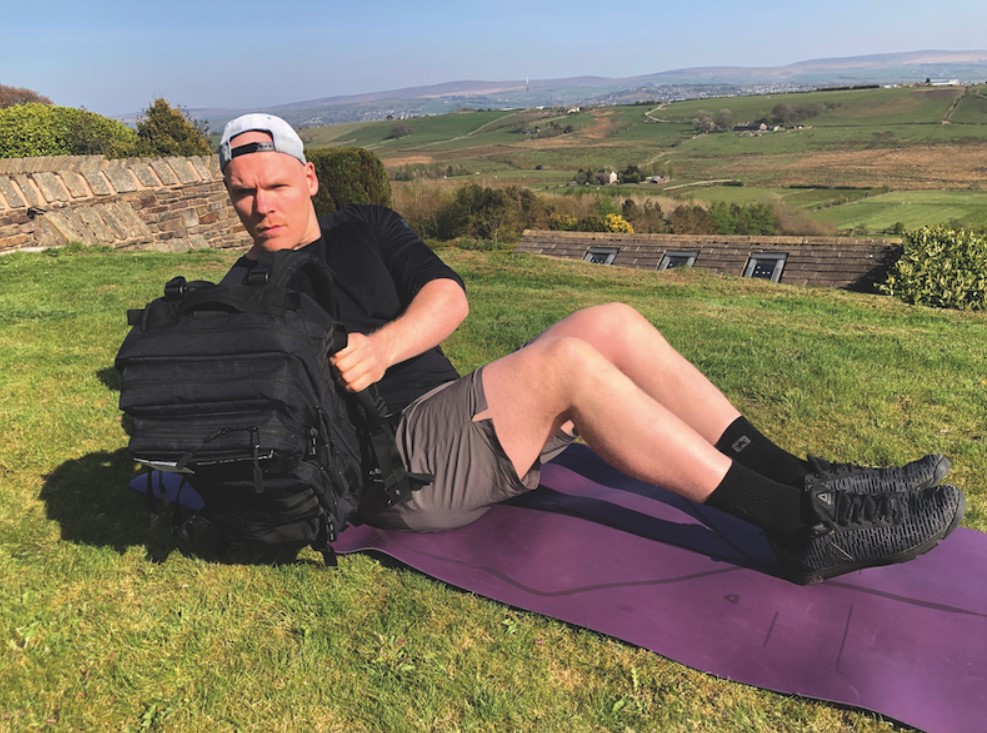
5. Weighted Russian Twists with a Backpack

Muscles Targeted: Core, Obliques

Sit on the floor with your knees bent, holding a weighted backpack on your lap. Lean back slightly, engaging your core. Lift your feet off the ground (or keep them on the ground for beginners). Rotate the backpack side to side, twisting your torso. Aim for controlled movements to maximize core engagement.

Weighted Russian Twists with a Backpack

Tips for Effective No-Gym Strength Training

  • Start Light: Begin with lighter items to master form, then increase weight as you gain strength.
  • Warm Up and Cool Down: Spend 5 minutes doing dynamic stretches before and static stretches after to prevent injury.
  • Stay Consistent: Aim for 2-3 sessions per week to see progress in muscle tone and strength.
  • Progress Gradually: Add reps or heavier items (like a backpack with more books) as exercises become easier.

Benefits of No-Gym Strength Training

No-gym strength training builds muscle, improves posture, and boosts metabolism without the need for expensive equipment. It’s also time-efficient, fitting into busy schedules. Regular practice enhances functional strength, making daily tasks like lifting groceries or climbing stairs easier. Plus, working out at home eliminates intimidation, making fitness accessible to everyone.

Get Started Today

You don’t need a gym to build muscle—no-gym strength training proves that everyday items can transform your fitness routine. Grab those water bottles, load up a backpack, and try this workout today. With consistency, you’ll see results in strength, confidence, and overall health. Share your progress or favorite household item hacks in the comments below!