
comment recréer l’ambiance Bali chez soi

Décoration et aménagement : comment recréer l’ambiance Bali chez soi

Vous rêvez d’un coin de paradis chez vous ? Imaginez une maison où le bois chaleureux, la pierre naturelle et la lumière douce vous transportent directement sur une île tropicale. Bonne nouvelle : vous pouvez recréer cette ambiance exotique chez vous, même en France. Grâce à la décoration et à l’aménagement inspirés du style Balinais, votre maison peut devenir un véritable havre de paix, que ce soit dans votre salon, votre jardin ou votre terrasse. L’atmosphère de Bali repose sur la simplicité, le confort et une forte connexion avec la nature, trois éléments qui peuvent parfaitement s’intégrer dans un foyer français, que ce soit pour une résidence principale ou secondaire.

Comprendre l’essence du style Balinais

Pour réussir une décoration de maison Bali en France, il est essentiel de comprendre les fondements de ce style unique. Le style Balinais s’inspire de la culture traditionnelle de Bali, des temples et des rituels, et intègre des concepts du feng shui pour favoriser la circulation de l’énergie dans la maison. Les maisons Bali privilégient la fluidité des espaces : il n’y a pas de séparation stricte entre l’intérieur et l’extérieur. Les vérandas ouvertes, les grandes baies vitrées et les jardins intégrés permettent une continuité naturelle avec l’extérieur.

Les caractéristiques principales incluent :

  • Des matériaux naturels : le bois, le bambou et la pierre sont omniprésents, créant une sensation de chaleur et de connexion à la nature.
  • Des espaces ouverts et aérés : la circulation est fluide, les pièces sont lumineuses et spacieuses.
  • Une abondance de lumière naturelle : des ouvertures stratégiques laissent entrer la lumière tout en favorisant une ventilation optimale.

En France, ces principes peuvent être adaptés selon le climat : un intérieur lumineux et aéré reste possible même dans les régions moins ensoleillées, en utilisant des verrières, des baies vitrées et des plantes d’intérieur pour apporter un souffle tropical.

Choisir les matériaux et couleurs

Le choix des matériaux et des couleurs est crucial pour créer une vraie atmosphère Balinaise.

  • Matériaux principaux : privilégiez le bois exotique pour les sols ou les meubles, le bambou pour les cloisons ou les stores, et la pierre naturelle pour les murs ou les décorations. Les tissus naturels comme le lin et le coton sont parfaits pour les rideaux, coussins et plaids. Ces matériaux apportent confort et authenticité tout en respectant la philosophie Balinaise.
  • Palette de couleurs : les tons neutres et chaleureux, comme le beige, le sable et le marron, constituent la base. Ces teintes rappellent la terre et la nature. Pour ajouter une touche d’exotisme, des accents de vert (plantes, coussins) ou de turquoise (accessoires, décorations murales) évoquent la mer et la végétation tropicale.

En France, il est possible d’adapter ces couleurs à l’architecture locale : des murs clairs avec des touches de bois exotique créent une sensation de chaleur même dans les climats plus frais.

Aménagement intérieur : créer une ambiance zen

Le mobilier et la décoration intérieure sont essentiels pour instaurer une atmosphère relaxante et authentique.

  • Mobilier : optez pour des canapés bas et confortables, des tables en bois massif aux lignes simples et des étagères ouvertes. Évitez les meubles trop volumineux ou trop modernes qui peuvent casser l’harmonie Balinaise. Le style favorise le minimalisme, la qualité des matériaux et la fonctionnalité.
  • Éclairage : privilégiez les lampes douces, les bougies et les lanternes en rotin. La lumière doit être diffuse et chaleureuse, créant une ambiance cosy. Vous pouvez installer des lampes suspendues au-dessus de votre salle à manger ou des spots encastrés pour mettre en valeur des éléments naturels.
  • Décoration : ajoutez des statues Balinaises ou bouddhistes, des tapis en fibres naturelles et des coussins aux textures variées. Les plantes tropicales, comme le palmier, le monstera ou le bambou, apportent une touche vivante et authentique. N’hésitez pas à installer un petit coin méditation ou lecture pour renforcer l’aspect zen.

Même dans un appartement en ville, ces éléments permettent de recréer une atmosphère Balinaise en limitant l’espace encombré et en favorisant la sérénité.

Extérieur : intégrer le jardin et la piscine

Le jardin et l’espace extérieur sont indispensables pour une maison Bali en France. Ils prolongent l’ambiance zen et tropicale.

  • Jardin tropical : plantez des palmiers adaptés aux régions françaises, des bambous et des arbustes verts pour recréer l’effet luxuriant. Ajoutez des chemins en pierres naturelles ou en bois pour guider le regard et la circulation. Une fontaine ou un bassin d’eau peut renforcer la tranquillité et le charme du jardin.
  • Piscine et terrasse : une piscine à débordement ou naturelle ajoute une dimension relaxante et luxueuse. Le mobilier en bois ou en rotin avec des coussins clairs complète l’ambiance. Des coins détente avec hamacs, balançoires ou petits pavillons permettent de profiter du plein air comme sur une île tropicale.

Même avec un petit jardin, il est possible de créer un coin « Bali » en jouant sur l’aménagement vertical, les plantes en pots et les éléments décoratifs.

Astuces pour un style Bali authentique en France

Pour un résultat encore plus fidèle :

  • Décorations artisanales : mélangez des objets importés de Bali avec des créations locales pour créer un style unique. Les statues, masques ou textiles artisanaux apportent une touche d’authenticité.
  • Senteurs et ambiances : utilisez encens, bougies parfumées ou huiles essentielles pour évoquer la chaleur et l’exotisme de Bali.
  • Zones zen : réservez un coin pour la méditation, le yoga ou la lecture. Même un petit espace peut devenir un refuge relaxant grâce aux coussins et plantes.

Ces astuces permettent de transformer chaque coin de votre maison Bali en France en un véritable lieu de détente et de sérénité.

Erreurs à éviter

Certaines erreurs peuvent nuire à l’effet Balinais si elles ne sont pas évitées :

  • Surcharge de décoration : le style Balinais repose sur la simplicité et la fluidité. Trop de meubles ou d’objets décoratifs crée une sensation de chaos.
  • Matériaux mal entretenus : le bois et le bambou nécessitent un entretien régulier, surtout en extérieur ou dans les régions humides.
  • Plantes inadaptées au climat : choisissez des plantes qui survivent aux hivers français ou installez-les en pots à l’intérieur pendant les saisons froides.

En respectant ces points, vous vous assurez que votre maison Bali en France reste authentique, confortable et durable.

Conclusion

Recréer l’ambiance d’une maison Bali en France est totalement possible grâce à un choix réfléchi de matériaux, couleurs, mobilier et aménagement intérieur et extérieur. Que vous disposiez d’une grande maison avec jardin ou d’un appartement plus petit, il est possible de créer un véritable coin de paradis tropical. En appliquant ces conseils, votre maison deviendra un lieu de sérénité, d’esthétique et d’harmonie avec la nature. Commencez dès aujourd’hui à transformer votre maison en oasis Balinaise, sans quitter la France.
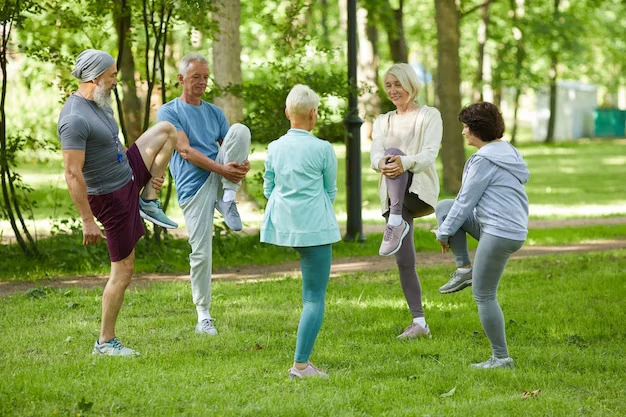
exercise for all ages

Why Walking Is the Ultimate Exercise for All Ages

Walking for health is one of the simplest yet most effective ways to boost both physical and mental well-being. Regardless of age or fitness level, the benefits of walking make it an accessible exercise that fits seamlessly into daily life. From improving cardiovascular health to reducing stress, walking offers a low-impact path to a healthier you. This article explores why walking is the ultimate exercise for all ages, highlighting its physical and mental benefits, and provides practical advice on incorporating it into your routine with achievable goals.

Physical Benefits of Walking for Health

The benefits of walking extend across all age groups, making it a versatile exercise for everyone from children to seniors. Walking strengthens the heart, lowers blood pressure, and improves circulation, reducing the risk of heart disease by up to 30%, according to studies from the American Heart Association. For older adults, regular walking enhances mobility and balance, decreasing the likelihood of falls. It also supports joint health by lubricating the joints and strengthening surrounding muscles, which is particularly beneficial for those with arthritis.

For younger individuals, walking for health promotes healthy weight management and builds endurance without the strain of high-impact exercises. Just 30 minutes of brisk walking five days a week can burn approximately 150-200 calories, depending on pace and body weight. It also improves bone density, which is crucial for growing children and adults aiming to prevent osteoporosis later in life. Unlike running or intense gym workouts, walking is gentle on the body, making it sustainable for long-term fitness.

Mental Health Boost from Walking

Beyond physical advantages, the benefits of walking include significant mental health improvements. Walking for health stimulates the release of endorphins, the body’s natural mood elevators, which can reduce symptoms of anxiety and depression. A 2020 study published in the Journal of Happiness Studies found that regular walkers reported higher levels of life satisfaction compared to sedentary individuals. For all ages, walking outdoors in nature, often called “green exercise,” amplifies these effects by lowering cortisol levels and boosting feelings of calm.

Walking also enhances cognitive function. For children, it can improve focus and academic performance. At the same time, for older adults, it may reduce the risk of cognitive decline. A daily walk provides a mental break, fostering creativity and problem-solving. Whether it’s a stroll through a park or a brisk walk around the neighborhood, this exercise for all ages supports a sharper, happier mind.

Incorporating Walking into Daily Life

One of the most significant benefits of walking is its accessibility. You don’t need a gym membership or expensive equipment, just a comfortable pair of shoes. To make walking for health a part of your routine, start by integrating it into daily activities. For example, walk to nearby errands, take the stairs instead of the elevator, or schedule a “walking meeting” with colleagues. For families, a post-dinner walk can become a fun bonding activity that promotes exercise for all ages.

To stay motivated, use a pedometer or fitness tracker to monitor your steps. The average adult can aim for 7,000-10,000 steps daily. At the same time, children may target slightly more, and seniors can adjust based on ability. Park farther from store entrances or get off public transport one stop early to add steps effortlessly. These small changes make walking for health a natural part of your day.

Setting Achievable Walking Goals

To maximize the benefits of walking, set realistic and measurable goals. Beginners might start with 15-minute walks three times a week, gradually increasing to 30 minutes most days. For a challenge, try interval walking alternating between a fast pace for one minute and a slower pace for two minutes. This boosts calorie burn and cardiovascular fitness without overexertion.

Set specific goals, like walking a certain distance or reaching a step count, and track progress in a journal or app. Joining a walking group or enlisting a friend can add accountability and make exercise for all ages more enjoyable. For variety, try exploring new routes or listening to music or podcasts while walking. Celebrate milestones, like completing a 5K walk, to stay motivated.

Why Walking Works for Everyone

Walking for health stands out as the ultimate exercise because it’s inclusive, low-cost, and adaptable. Whether you’re a busy parent, a teenager, or a retiree, the benefits of walking, including improved physical health, better mood, and enhanced cognitive function, make it a game-changer. By incorporating walking into daily life and setting achievable goals, you can unlock a healthier, happier lifestyle. Start today with a short walk, and discover why this exercise for all ages is a lifelong gift to your well-being.

Komodo diving

The Dangers of Diving with Faulty Equipment: Lessons from Komodo Diving

Komodo National Park, a UNESCO World Heritage Site, is renowned for its breathtaking underwater landscapes and vibrant marine life, making it a bucket-list destination for divers worldwide. However, Komodo diving can turn perilous when equipment fails, as highlighted by a recent incident involving a Malaysian tourist swept away by strong currents due to faulty diving gear. This article delves into the risks of diving with malfunctioning equipment, the importance of rigorous safety protocols, and how divers can prepare for emergencies in remote locations like Komodo National Park.

The Malaysian Tourist Incident: A Wake-Up Call

In April 2025, a Malaysian tourist faced a life-threatening ordeal while diving in the waters of Komodo National Park. According to reports from Detik Bali, the diver was swept away by powerful currents after their diving equipment malfunctioned. The incident, which required a swift rescue operation, underscores the critical need for reliable gear in challenging dive environments. Komodo’s waters are notorious for their strong currents and unpredictable conditions, making functional equipment non-negotiable for safe Komodo diving experiences.

The tourist’s ordeal highlights a broader issue in adventure tourism: the dangers of diving with faulty equipment. Malfunctioning regulators, leaky masks, or defective buoyancy control devices (BCDs) can turn an exhilarating dive into a dangerous situation, especially in remote areas where help may be hours away. This incident serves as a stark reminder for divers and operators to prioritize equipment maintenance and safety checks.

The Risks of Faulty Diving Equipment

Diving equipment is a diver’s lifeline underwater, and any failure can have severe consequences. Common issues include:

  • Regulator Malfunctions: A faulty regulator can disrupt air supply, leading to panic or even drowning.
  • BCD Failures: A malfunctioning BCD can cause uncontrolled ascents or descents, increasing the risk of decompression sickness or collisions with underwater obstacles.
  • Mask or Fin Issues: A leaking mask or broken fin can impair visibility and mobility, making it challenging to navigate strong currents.
  • Oxygen Tank Problems: Leaks or improper fittings can deplete the air supply faster than expected, leaving divers stranded.

In remote locations like Komodo National Park, these risks are amplified. The park’s strong currents, deep drop-offs, and distance from immediate medical facilities mean that equipment failures can quickly escalate into emergencies. The Malaysian tourist’s experience is a case in point, where faulty gear led to a dangerous situation that could have been fatal without timely intervention.

The Importance of Equipment Checks

Preventing equipment-related incidents starts with thorough pre-dive checks. Divers and operators must adhere to strict maintenance schedules and inspections. Here are key steps to ensure gear reliability:

  1. Pre-Dive Inspections: Check regulators, BCDs, masks, and tanks for signs of wear, leaks, or damage before every dive. Test backup regulators and ensure proper fittings.
  2. Regular Maintenance: Follow manufacturer guidelines for servicing equipment, including annual regulator overhauls and tank inspections.
  3. Professional Training: Work with certified dive operators who prioritize equipment upkeep and have trained staff to identify potential issues.
  4. Personal Responsibility: Divers should familiarize themselves with their gear, even if rented, and report any concerns to the dive operator immediately.

In the context of Komodo diving, where environmental conditions demand peak performance from both divers and their equipment, these checks are critical. Operators in the region must also ensure that rental gear meets international safety standards, as subpar equipment can endanger lives.

Preparing for Emergencies in Remote Dive Locations

Komodo National Park’s remote location adds an extra layer of complexity to dive safety. Divers can take proactive steps to prepare for emergencies:

  • Dive with Reputable Operators: Choose dive centers with strong safety records and experienced guides familiar with Komodo’s waters.
  • Carry Safety Gear: Equip yourself with a surface marker buoy (SMB), dive knife, and whistle to signal for help if separated from the group.
  • Emergency Training: Enroll in courses like PADI’s Rescue Diver to learn how to handle emergencies, including equipment failures and strong currents.
  • Know the Environment: Research Komodo’s dive sites, including current patterns and potential hazards, to anticipate challenges.

The Malaysian tourist’s rescue was successful due to the quick response of local teams, but not all incidents end as fortunately. Divers must be prepared to act swiftly and rely on their training to stay calm under pressure.

Lessons for the Dive Community

The Komodo incident is a sobering reminder that diving, while exhilarating, carries inherent risks that demand respect. Faulty equipment can turn a dream dive into a nightmare, particularly in challenging environments like Komodo National Park. By prioritizing equipment maintenance, choosing reliable operators, and preparing for emergencies, divers can significantly reduce these risks.

For dive operators, this incident highlights the need for stringent safety protocols. Regular equipment audits, staff training, and transparent communication with clients can prevent similar incidents. For divers, it’s a call to take personal responsibility for their safety by investing in quality gear, staying informed, and diving within their limits.

Komodo diving offers unparalleled beauty, but it comes with unique challenges that require vigilance and preparation. The Malaysian tourist’s ordeal in Komodo National Park serves as a critical lesson for the dive community: never underestimate the importance of reliable equipment. By committing to thorough checks, proper training, and emergency preparedness, divers can explore the wonders of Komodo’s underwater world with confidence and safety. Let this incident be a catalyst for change, ensuring that every dive is a safe and memorable adventure.

yacht club

Thrilling GP14 Leinster Championship 2025 Shines at Greystones Yacht Club

The 2025 GP14 Leinster Championship at Greystones Yacht Club was a triumphant return for the event, marking its first appearance at the club since 2012. Held on July 12-13, this sailing spectacle drew 31 boats from 16 clubs across Ireland, showcasing competitive racing and vibrant camaraderie. Despite challenging wind conditions, the event showcased the skill and spirit of the GP14 fleet, making it a standout moment in the sailing calendar and drawing admiration from afar, including yacht clubs in Indonesia.

A Sunlit Start with Wind Challenges

Greystones Yacht Club, nestled on Ireland’s scenic coast, welcomed sailors with glorious sunshine and warm temperatures, as forecasted by Met Éireann. Saturday promised excitement, but the wind had other plans. Race Officer Jim Lambkin, supported by GP14 Ireland Class President Andy Johnston, led the fleet to the course area by 12:30. A general recall at the first start, followed by a complete wind drop, forced the abandonment of racing after a three-hour wait. Sailors made the most of the sunny day, soaking up the atmosphere at this renowned yacht club.

Sunday Delivers Tight Racing

Sunday brought cautious optimism as light, fickle winds and strong tides tested the fleet’s skill. The race team, with expertise honed at Greystones Yacht Club, managed three races before the breeze faded. The competition was fierce, with narrow margins across the 31-boat fleet, reflecting the depth of talent among the competitors. Ger Owens and Melanie Morris of Royal St George/EABC dominated, securing all three races to claim the Leinster Cup in a masterclass performance, a feat sure to resonate with sailing enthusiasts, including those following from a yacht club in Indonesia.

Standout Performances Across Fleets

The championship featured 11 Gold, 4 Silver, and 16 Bronze fleet entries, showcasing a diverse range of skill levels. Keith and Mateo Louden from Lough Foyle Sailing Club took second overall. At the same time, local heroes Rob Lee and Stephen Lynch secured third. Bronze fleet sailors Peter Brines and Leah Pedersen (LEYC) impressed, finishing fourth overall and earning first in their fleet, signalling their potential for promotion. The Silver fleet saw Simon Cully and Libby Tierney take top honors. At the same time, Riaghan Boardman and Maedbh Butterly claimed the Junior Boat title, highlighting the event’s inclusivity.

A New Boat Shines

Adding intrigue, Kevin Donnelly debuted his home-built GP14, sail number 14302, crafted from Ginger Boat moulds at Antrim Boat Club. With guidance from GP14 expert Alistair Duffin, the boat’s pristine finish turned heads, proving the class’s enduring appeal and innovation, a topic likely discussed at yacht clubs worldwide.

Greystones Yacht Club’s Triumph

Despite Saturday’s windless setback, the 2025 GP14 Leinster Championship was a resounding success, blending high-quality racing with Greystones Yacht Club’s warm hospitality. The event’s vibrant atmosphere and competitive spirit underscored why this venue remains a favorite. As the GP14 fleet looks to future events, like the British Nationals in Tenby, the Greystones legacy will inspire sailors globally.

What Makes a Villa in Bali So Different from the Rest of the World?

What Makes a Villa in Bali So Different from the Rest of the World?

Bali is more than just a tropical escape—it’s a destination that reshapes your idea of what a villa stay can be. Whether you’re browsing travel platforms or already dreaming of jungle hideaways and ocean-view sanctuaries, you’ll quickly notice that villas in Bali offer something truly unique. They’re not just places to stay—they’re immersive experiences that blend nature, culture, and comfort in a way few other destinations can match.

So, what makes a villa in Bali so different from the rest of the world? Here are a few standout features that define the Balinese villa lifestyle.

1. Open-Air Bathrooms: Luxury Meets Nature

One of the first surprises for many travelers is the presence of open-air bathrooms. Instead of being boxed into a tiled room under fluorescent lights, you’ll find yourself showering under the sky—surrounded by bamboo, stone, and tropical greenery.

Whether it’s a rainfall shower tucked into a private garden or a bathtub overlooking rice fields, these open-air designs reconnect you with the outdoors while preserving total privacy. It’s a blend of indulgence and mindfulness, where morning routines become rituals and nightly soaks turn into moments of peace under the stars.

This design feature is a direct reflection of Bali’s profound cultural connection to the natural world. Balinese architecture emphasizes the harmony between indoor and outdoor living spaces. This theme is carried through nearly every element of a villa stay.

Also read Inside Bali Villa Business: Legal Loopholes, Fake Agents, and Investor Risks

2. Alang-Alang Roofs: Tradition and Cooling Elegance

Look up in a Balinese villa, and you may see the intricate weave of a thatched alang-alang roof made from dried grass native to Indonesia. This traditional roofing technique is not just for show—it’s part of what gives Bali villas their cooling, breezy atmosphere even in the heat of the day.

Alang-alang is naturally insulating, breathable, and has a beautifully rustic appearance. Its layered texture softens sunlight and keeps interiors shaded, creating a natural air-conditioning effect. Unlike modern villas in other parts of the world, which rely heavily on enclosed air conditioning systems, Bali’s villas employ centuries-old techniques that are sustainable and climate-friendly.

Plus, these roofs often soar high above open-plan living areas, creating a sense of space and grandeur that feels distinctly tropical yet incredibly refined.

3. Tropical Gardens as Living Spaces

In Bali, the villa doesn’t stop at the door. Lush tropical gardens are an integral part of the living experience, blurring the line between the inside and outside.

Imagine waking up to the sounds of birdsong, sipping your morning coffee surrounded by frangipani trees or meditating beside a koi pond. Bali villas often feature landscaped gardens with flowing water features, handcrafted statues, and carefully curated plant life that reflects both the island’s aesthetic and spiritual traditions.

These gardens aren’t just decoration—they’re sacred. Many villas include small family shrines where daily offerings are placed, adding an intensely local layer to the guest experience.

In most parts of the world, garden spaces are either functional or decorative in nature. In Bali, they are spiritual, sensual, and alive.

4. Designed for Mindful Living

Balinese villas are also designed with intentionality and flow—from the placement of furniture to the orientation of the buildings according to traditional principles like Tri Hita Karana (harmony between people, nature, and the divine). Spaces are created to encourage slowness, presence, and connection.

Whether it’s an open yoga shala with a view of Mount Agung or a shaded lounge area overlooking rice paddies, every design choice supports a lifestyle rooted in wellness and balance.

This holistic approach to architecture sets Bali apart from villa destinations that prioritize luxury but may lack soul. In Bali, the architecture tells a story—one that invites you in.

From open-air bathrooms and alang-alang roofs to immersive gardens and spiritual flow, a villa in Bali is more than a place to stay—it’s a way of life. It merges tradition with modern comfort, offering travelers a uniquely grounded luxury experience.

Whether you’re planning a romantic escape, a family getaway, or a remote working retreat, choosing a villa in Bali means choosing authenticity, beauty, and harmony with nature—something that few destinations in the world can match.

10 Minutes Workout

Why 10-Minute Workouts Work

Do you think 10 minutes isn’t enough to get a real workout? Think again. Research shows that short bursts of physical activity can deliver major health benefits—especially when done consistently. For busy professionals juggling packed schedules, 10-minute workouts are a realistic, time-efficient way to stay fit, increase energy, and reduce stress.

Benefits of Short Workouts

  • Time-saving: Easy to squeeze into a morning routine or lunch break.
  • Boosts metabolism: Quick, intense workouts can elevate heart rate and calorie burn.
  • Increases productivity: Physical activity improves focus and mental clarity.
  • Reduces stress: Just 10 minutes of movement can release endorphins and reduce tension.

Also read Finding the Best Workout for Your Body Type and Goals

Quick and Effective 10-Minute Workouts

Here are a few tried-and-true routines that require no equipment and can be done anywhere—at home, in your office, or on the go.

1. The Energizer HIIT Circuit

A full-body workout to boost cardio and strength in just 10 minutes.

Routine:

  • Jumping jacks – 1 minute
  • Push-ups – 1 minute
  • Squats – 1 minute
  • Plank – 1 minute
  • High knees – 1 minute
  • Repeat once with 30 seconds rest between sets

2. Office Chair Workout

Perfect for squeezing in movement between meetings.

Routine:

  • Seated leg lifts – 1 minute
  • Desk push-ups – 1 minute
  • Standing calf raises – 1 minute
  • Seated torso twists – 1 minute
  • March in place – 1 minute
  • Repeat once

3. Core Blast

Strengthen your core to improve posture and support overall body movement.

Routine:

  • Crunches – 1 minute
  • Bicycle kicks – 1 minute
  • Russian twists – 1 minute
  • Plank – 2 minutes
  • Side plank (30 sec each side) – 1 minute
  • Repeat with 30 seconds of rest

Tips for Staying Consistent

  • Schedule it: Treat your workout like a meeting—block it off your calendar.
  • Keep gear nearby: Sneakers, a mat, or resistance bands at your desk can make starting easier.
  • Use reminders: Set a phone alert or a habit tracker to stay on schedule.
  • Mix it up: Rotate workouts to keep things interesting and target different muscles.

Make Fitness a Non-Negotiable

Your health shouldn’t be sacrificed for a busy calendar. With 10-minute workouts, staying active is not only possible—it’s practical. Whether between Zoom calls or winding down your day, these routines help you stay energized and productive without taking hours out of your day.

10-Minute Workouts for Busy Professionals

10-Minute Workouts for Busy Professionals: Effective Fitness Routines When Time is Limited

In today’s fast-paced world, finding time for exercise can be challenging, especially for busy professionals juggling work, family, and personal commitments. Great news! You don’t have to spend hours at the gym to stay in shape. With quick, high-energy workouts, 10 minutes daily workouts can boost your physical and mental well-being. It’s all about staying active in a way that fits into your life! Here’s how you can maximize your time with quick, effective workouts.

The Science Behind Short Workouts

Even brief exercise sessions can significantly boost cardiovascular health, increase energy levels, and lift mood. One effective approach is High-Intensity Interval Training (HIIT), which rotates between short bursts of intense activity and quick recovery. This method is widely recognized as one of the most effective practices for burning calories and building strength in a limited time.

Benefits of 10-Minute Workouts

  1. Time-Efficiency: Fits into even the busiest schedule.
  2. Energy Boost: Enhances focus and productivity for the day.
  3. Consistency: Easier to maintain compared to longer routines.
  4. Accessibility: Requires minimal Equipment or space.

Also read Why Running is the Hottest Fitness Trend You Need to Try in 2024

10-Minute Workout Ideas for Busy Professionals

Here are five quick and effective routines you can try anywhere:

Bodyweight HIIT Circuit

  1. Warm-Up (1 minute): Jumping jacks.
  2. Circuit (8 minutes):
    • Push-ups (30 seconds)
    • Squats (30 seconds)
    • Burpees (30 seconds)
    • Plank hold (30 seconds)
    • Repeat twice with a 10-second rest between exercises.
  3. Cool-Down (1 minute): Stretching or deep breathing.

Deskercise Routine

  1. Chair Dips (1 minute): Use your office chair to perform dips for your triceps.
  2. Wall Sits (1 minute): Strengthen your legs while taking a call.
  3. Desk Push-Ups (1 minute): Push against your desk for a quick arm workout.
  4. Standing March (1 minute): Lift your knees high to engage your core.
  5. Repeat for two rounds.

Cardio Blast

  1. High Knees (30 seconds)
  2. Mountain Climbers (30 seconds)
  3. Jump Squats (30 seconds)
  4. Rest (30 seconds)
  5. Repeat for three rounds.

Yoga Flow

  1. Cat-Cow Pose (1 minute): Loosen your spine.
  2. Downward Dog to Plank (1 minute): Alternate poses to build strength.
  3. Warrior II Pose (2 minutes): Hold for 1 minute on each side to stretch and strengthen your legs.
  4. Seated Forward Fold (1 minute): Relax and stretch your hamstrings.

Tabata Training

  1. Choose one exercise, such as jumping jacks, squats, or burpees.
  2. Engage in the exercise for 20 seconds, pushing yourself to your maximum effort, then take a 10-second break to recover.
  3. Repeat for 8 rounds (4 minutes total).
  4. Use the remaining 6 minutes for stretching or additional exercises.

Tips for Staying Consistent

  1. Schedule It: Block 10 minutes in your calendar, just like a meeting.
  2. Prioritize Variety: Switch up your routines to stay motivated.
  3. Keep Equipment Handy: Have a yoga mat, resistance bands, or small weights within reach.
  4. Track Progress: Use apps or journals to monitor improvements.

Even with a packed schedule, you can still reach your fitness goals with quick and efficient workouts. Just 10 minutes a day of movement can make a difference in how you feel, boosting your physical health, energy, and productivity! So, let’s ditch those excuses and get moving together!

Minimalist running shoes

Minimalist Running Shoes: Are They Right for You?

In recent years, minimalist running shoes have become increasingly popular as a footwear choice that closely mimics the natural motion of running barefoot. While some runners swear by their benefits, others caution against potential risks. This article explores whether minimalist running shoes might be right for you. Delves into their pros and cons, and offers tips on transitioning if you’re used to more cushioned shoes.

What Are Minimalist Running Shoes?

Minimalist running shoes are designed with a low heel-to-toe drop, minimal cushioning, and a lightweight structure to simulate barefoot running. Unlike traditional running shoes, they offer little arch support and encourage the foot to move more naturally, engaging muscles that might otherwise be underutilized.

Benefits of Minimalist Running Shoes

  • Natural Foot Mechanics: These shoes support a natural running style by promoting a midfoot or forefoot strike. This stride can help lessen the impact on your joints compared to a traditional heel strike.
  • Strengthened Foot Muscles: Wearing proper shoes while running can help maintain the muscles in your feet and lower legs. These shoes rely more on your body’s natural support systems.
  • Improved Proprioception: With thinner soles, minimalist shoes enhance the sensory feedback from the ground, potentially improving balance and coordination.
  • Lightweight Design: The lightweight nature of minimalist shoes makes them ideal for runners who prefer a less bulky feel.

Read more Road Running vs. Trail Running Shoes: What’s the Difference?

Risks of Minimalist Running Shoes

  • Increased Injury Risk During Transition: Switching too quickly to proper running shoes can lead to plantar fasciitis, Achilles tendonitis, or stress fractures due to unconditioned muscles and joints.
  • Limited Protection: The lack of cushioning can leave feet more vulnerable to rough or uneven terrain, which might not be ideal for trail runners.
  • Adaptation Period: Adapting to minimalist shoes requires time and patience, which may be a barrier for runners seeking an immediate performance boost.

Are Minimalist Running Shoes Right for You?

The running shoes may be suitable if you:

  • Have healthy feet and no pre-existing conditions such as flat feet or overpronation.
  • Are willing to invest time in transitioning and adapting your running style.
  • Run on smooth surfaces or prefer a more natural feel when running.

However, traditional running shoes might be a better fit if you rely heavily on cushioning for comfort or have a history of foot-related injuries.

How to Transition to Minimalist Running Shoes

  • Start Slowly: To allow your muscles and tendons to adapt, begin by wearing minimalist shoes for short walks or light runs.
  • Strengthen Your Feet: To prepare for reduced support, incorporate foot-strengthening exercises, such as toe curls and calf raises, into your routine.
  • Adjust Your Running Technique: Focus on adopting a midfoot or forefoot strike to reduce impact on your joints.
  • Alternate Footwear: Gradually alternate between your traditional and running shoes to ease the transition.

running most trend sport in 2024

Why Running is the Hottest Fitness Trend You Need to Try in 2024

Forget the latest high-intensity interval training (HIIT) craze or the newest boutique fitness studio. The hottest fitness trend of 2024 isn’t some expensive, fad-driven workout; it’s a timeless classic – running. But running in 2024 isn’t just about pounding the pavement; it’s about a holistic approach to fitness that prioritizes accessibility, mental well-being, and a return to nature. So, lace up your shoes, step outside, and discover why running is the perfect way to elevate your fitness journey in the new year.

A Simple Yet Powerful Exercise:

Running’s beauty lies in its simplicity. You only need comfortable shoes and a little motivation to get started. It’s an activity accessible to all ages, fitness levels, and budgets. Whether you are a seasoned marathoner or a beginner, you can tailor your jogging routine to fit your needs and goals.

Benefits Beyond the Physical:

The benefits of running extend far beyond burning calories and building endurance. Research indicates that jogging can enhance cardiovascular health, fortify bones and muscles, and elevate mood. The repetitive motion is meditative, reducing stress and anxiety, while the endorphin rush after a run leaves you feeling energized and optimistic. Running can be an active meditation, allowing you to clear your mind, work through your thoughts, and ignite your creativity.

Also read, From 5Ks to Ultras: A Runner Progression

A Return to Nature:

As technology increasingly dominates our lives, running offers a chance to reconnect with nature. Whether you run along a scenic beach path, explore a bustling city park, or navigate a quiet forest trail, jogging allows you to experience the outdoors and appreciate the changing seasons. Immersing yourself in nature provides a welcome escape from the digital world.

A Community of Support:

Running doesn’t have to be a solitary pursuit. Joining a running group or engaging with other runners through online platforms can establish a nurturing community. Training together helps with motivation, accountability, and sharing tips and experiences. Whether training for a race or enjoying a casual jog, having a jogging buddy or a virtual community cheering you on can make a difference.

A Fit for Everyone:

The beauty of running is its adaptability. Beginners can start with short walks and gradually integrate running intervals. Seasoned runners can challenge themselves by exploring interval training, hill repeats, or longer distances. With running apps offering guided programs and customizable plans, there’s a running routine tailored to everyone’s fitness level and goals.

So, what are you waiting for? 2024 is the year to embrace the joy of jogging. It’s a low-cost, accessible activity with many physical and mental benefits. Lace-up your shoes, step outside, breathe in the fresh air, and discover why running is more than just a fitness trend—it’s a journey towards a healthier, happier you.