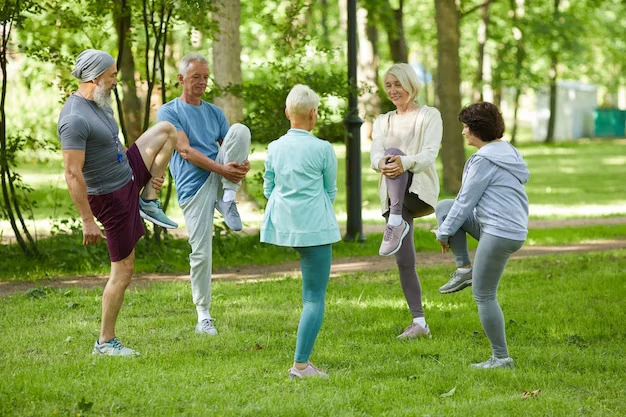
Walking for health is one of the simplest yet most effective ways to boost both physical and mental well-being. Regardless of age or fitness level, the benefits of walking make it an accessible exercise that fits seamlessly into daily life. From improving cardiovascular health to reducing stress, walking offers a low-impact path to a healthier you. This article explores why walking is the ultimate exercise for all ages, highlighting its physical and mental benefits, and provides practical advice on incorporating it into your routine with achievable goals.
Physical Benefits of Walking for Health
The benefits of walking extend across all age groups, making it a versatile exercise for everyone from children to seniors. Walking strengthens the heart, lowers blood pressure, and improves circulation, reducing the risk of heart disease by up to 30%, according to studies from the American Heart Association. For older adults, regular walking enhances mobility and balance, decreasing the likelihood of falls. It also supports joint health by lubricating the joints and strengthening surrounding muscles, which is particularly beneficial for those with arthritis.
For younger individuals, walking for health promotes healthy weight management and builds endurance without the strain of high-impact exercises. Just 30 minutes of brisk walking five days a week can burn approximately 150-200 calories, depending on pace and body weight. It also improves bone density, which is crucial for growing children and adults aiming to prevent osteoporosis later in life. Unlike running or intense gym workouts, walking is gentle on the body, making it sustainable for long-term fitness.
Mental Health Boost from Walking
Beyond physical advantages, the benefits of walking include significant mental health improvements. Walking for health stimulates the release of endorphins, the body’s natural mood elevators, which can reduce symptoms of anxiety and depression. A 2020 study published in the Journal of Happiness Studies found that regular walkers reported higher levels of life satisfaction compared to sedentary individuals. For all ages, walking outdoors in nature, often called “green exercise,” amplifies these effects by lowering cortisol levels and boosting feelings of calm.
Walking also enhances cognitive function. For children, it can improve focus and academic performance. At the same time, for older adults, it may reduce the risk of cognitive decline. A daily walk provides a mental break, fostering creativity and problem-solving. Whether it’s a stroll through a park or a brisk walk around the neighborhood, this exercise for all ages supports a sharper, happier mind.
Incorporating Walking into Daily Life
One of the most significant benefits of walking is its accessibility. You don’t need a gym membership or expensive equipment, just a comfortable pair of shoes. To make walking for health a part of your routine, start by integrating it into daily activities. For example, walk to nearby errands, take the stairs instead of the elevator, or schedule a “walking meeting” with colleagues. For families, a post-dinner walk can become a fun bonding activity that promotes exercise for all ages.
To stay motivated, use a pedometer or fitness tracker to monitor your steps. The average adult can aim for 7,000-10,000 steps daily. At the same time, children may target slightly more, and seniors can adjust based on ability. Park farther from store entrances or get off public transport one stop early to add steps effortlessly. These small changes make walking for health a natural part of your day.
Setting Achievable Walking Goals
To maximize the benefits of walking, set realistic and measurable goals. Beginners might start with 15-minute walks three times a week, gradually increasing to 30 minutes most days. For a challenge, try interval walking alternating between a fast pace for one minute and a slower pace for two minutes. This boosts calorie burn and cardiovascular fitness without overexertion.
Set specific goals, like walking a certain distance or reaching a step count, and track progress in a journal or app. Joining a walking group or enlisting a friend can add accountability and make exercise for all ages more enjoyable. For variety, try exploring new routes or listening to music or podcasts while walking. Celebrate milestones, like completing a 5K walk, to stay motivated.
Why Walking Works for Everyone
Walking for health stands out as the ultimate exercise because it’s inclusive, low-cost, and adaptable. Whether you’re a busy parent, a teenager, or a retiree, the benefits of walking, including improved physical health, better mood, and enhanced cognitive function, make it a game-changer. By incorporating walking into daily life and setting achievable goals, you can unlock a healthier, happier lifestyle. Start today with a short walk, and discover why this exercise for all ages is a lifelong gift to your well-being.