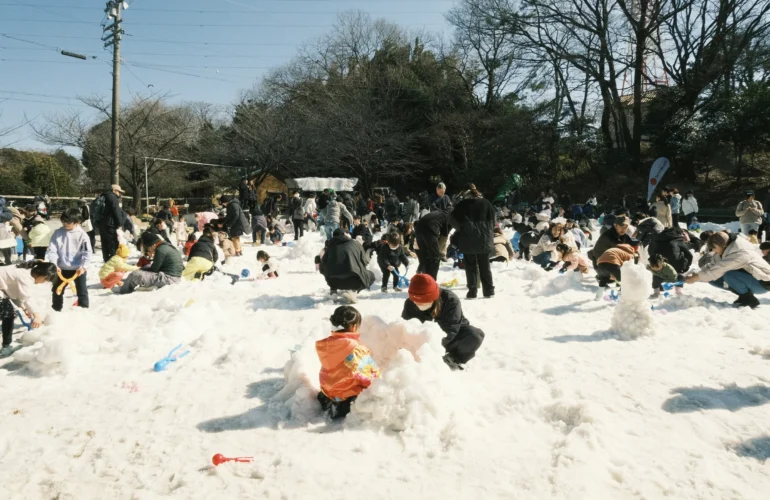
Winter transforms many parts of Japan into breathtaking landscapes filled with snow-covered scenery, seasonal celebrations, and outdoor attractions that draw visitors from around the world. Among the country’s most anticipated cold-season events, snow festival japan experiences have become a major highlight for travelers seeking a unique blend of culture, creativity, and winter entertainment. These festivals showcase impressive artistic displays while celebrating the traditions and seasonal character that define Japan’s colder months.
Unlike many winter events found elsewhere, Japanese snow festivals often combine large-scale art installations, local cultural activities, regional cuisine, and family-friendly entertainment into a single experience. The result is an atmosphere that appeals to a wide range of visitors, from photographers and outdoor enthusiasts to families and international tourists looking for memorable seasonal experiences.
Many of these events take place in regions that receive significant snowfall during the winter months. Communities transform public spaces into open-air galleries where snow and ice become the primary artistic medium. Visitors can admire detailed creations while exploring festive streets illuminated by seasonal decorations and special lighting displays.
As interest in winter tourism continues to grow, snow festivals have become an important part of Japan’s seasonal travel appeal. They offer an opportunity to experience a different side of the country while enjoying landscapes and cultural traditions that are only available during the colder months of the year.
What Makes Snow Festivals Popular in Japan
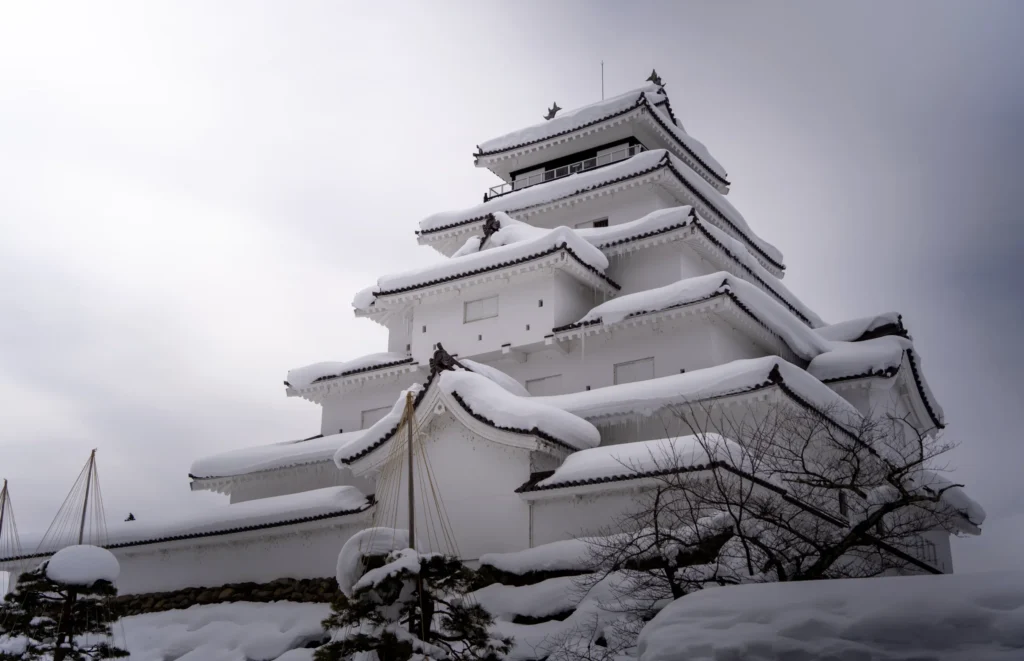
One of the primary reasons these events attract large audiences is their ability to combine art, community involvement, and seasonal entertainment. Festival organizers often spend months preparing displays that showcase remarkable craftsmanship and creativity. These installations can range from small decorative works to massive structures that become iconic attractions in their own right.
For many travelers, attending a winter festival in japan provides an opportunity to experience local traditions while enjoying activities that are closely connected to the season. Communities often incorporate regional customs, food specialties, and cultural performances into festival programs, creating experiences that go beyond simply viewing snow displays.
The festive atmosphere also contributes to their popularity. Streets become gathering places where residents and visitors share seasonal experiences, enjoy local cuisine, and participate in outdoor activities. This sense of community creates an environment that feels welcoming and memorable for first-time visitors.
Accessibility is another factor. Many winter festivals are organized in cities and towns that offer convenient transportation connections, making them relatively easy to include within broader travel itineraries. As a result, visitors can combine festival attendance with sightseeing, shopping, dining, and other seasonal activities.
The Tradition Behind Japanese Winter Festivals
Seasonal celebrations have long played an important role in Japanese culture. Throughout the year, communities organize events that reflect local traditions, historical influences, and connections to the natural environment. Winter festivals represent one expression of this broader cultural practice, bringing people together during the coldest period of the year.
Many japanese winter events began as local gatherings before evolving into larger attractions that welcome visitors from across the country and beyond. While some festivals focus primarily on entertainment, others maintain strong connections to regional history, community identity, and seasonal customs that have been preserved over generations.
Snow and ice naturally became central elements in regions where winter conditions provided abundant materials for creative expression. Local organizers discovered that these natural resources could be transformed into remarkable artistic works, encouraging annual celebrations that continue to evolve while preserving their traditional foundations.
Today, visitors attending these festivals experience a blend of historical tradition and contemporary creativity. Modern technologies, advanced lighting systems, and innovative design techniques have expanded what is possible while still maintaining the community spirit that originally inspired many of these events.
More Than Just Seasonal Entertainment
Although impressive visual displays often receive the most attention, snow festivals offer much more than artistic attractions. Visitors frequently discover cultural exhibitions, local performances, food markets, and family-oriented activities that contribute to a well-rounded festival experience.
Many destinations use these celebrations to showcase regional identity and encourage tourism during the winter travel season. Local businesses, restaurants, and cultural organizations often participate in festival activities, creating opportunities for visitors to engage more deeply with the surrounding community.
The growing popularity of outdoor winter experiences has also helped these events attract broader audiences. Travelers increasingly seek seasonal activities that allow them to enjoy nature, explore local culture, and create memorable travel moments beyond traditional sightseeing.
For many festival visitors, the combination of cultural discovery, seasonal beauty, and community atmosphere becomes just as important as the displays themselves. This balance is one reason why Japan’s snow festivals continue to attract returning visitors year after year.
Related Reading: Sapporo Snow Festival Guide
Related Reading: Winter Festivals in Japan
Famous Snow Festivals Across Japan
Japan is home to numerous winter celebrations that showcase the creativity and seasonal traditions of different regions. While some events attract international attention, many smaller festivals offer equally memorable experiences and provide insight into local culture. Together, these celebrations contribute to the country’s reputation as one of Asia’s most appealing winter travel destinations.
Each region brings its own character to winter festivities. Some communities focus on artistic displays, while others emphasize local food, cultural performances, and outdoor activities. This diversity allows travelers to experience a wide variety of events depending on where they choose to visit during the colder months.
Major cities often host large-scale celebrations featuring elaborate installations and extensive entertainment programs. Smaller towns, meanwhile, may offer a more intimate atmosphere where visitors can interact closely with local residents and experience traditions that have been preserved for generations.
Whether attending a famous event or discovering a lesser-known celebration, travelers can expect a unique combination of seasonal beauty, cultural experiences, and community spirit that reflects the distinctive character of winter in Japan.
The Art of Snow Sculptures and Ice Sculptures
One of the most recognizable features of winter festivals is the remarkable craftsmanship displayed in large-scale snow sculptures. Artists and volunteers carefully transform massive quantities of snow into detailed works that often depict cultural landmarks, historical themes, wildlife, and imaginative creations.
The construction process can take days or even weeks, requiring careful planning and collaboration. Teams work in challenging weather conditions to carve intricate details while ensuring that structures remain stable throughout the event. The result is a collection of temporary artworks that attract photographers and visitors from around the world.
In addition to snow-based creations, many festivals also feature impressive ice sculptures that showcase a different form of artistic expression. Transparent blocks of ice are transformed into decorative installations, architectural replicas, and illuminated displays that create striking visual effects after sunset.
Lighting plays an important role in enhancing these exhibits. Carefully designed illumination can dramatically change the appearance of sculptures, creating entirely different viewing experiences during the evening hours compared to daylight visits.
Activities Visitors Can Enjoy During Winter Festivals
Beyond viewing artistic displays, visitors often have access to a wide variety of activities that appeal to different age groups and interests. Festival programs typically include interactive attractions, cultural demonstrations, live performances, and opportunities to sample regional specialties.
Many events are designed to serve as family-friendly winter attractions, providing entertainment that can be enjoyed by both children and adults. Snow play areas, seasonal games, and recreational activities are frequently included as part of the overall festival experience.
Food also plays a significant role in many celebrations. Vendors often offer regional dishes, warm beverages, and seasonal treats that help visitors stay comfortable while exploring outdoor venues. Sampling local cuisine becomes an enjoyable complement to the visual and cultural aspects of the festival.
For travelers interested in photography, winter festivals provide countless opportunities to capture memorable images. Snow-covered landscapes, illuminated displays, and vibrant festival environments create unique compositions that are difficult to find during other seasons.
Many visitors choose to spend an entire day at festival venues, returning after dark to experience how lighting transforms the atmosphere. Evening displays often become some of the most photographed attractions, highlighting the artistic and technical effort that goes into creating these seasonal celebrations.
Why These Festivals Attract International Visitors
Over the years, Japan’s winter festivals have gained recognition among international travelers seeking distinctive seasonal experiences. The combination of artistic creativity, cultural traditions, and spectacular winter scenery creates an appeal that extends far beyond domestic tourism.
Many festival visitors are drawn by the opportunity to experience snow-covered landscapes that differ significantly from what they encounter in their home countries. For some travelers, these events represent a rare chance to engage with winter culture in a destination known for its hospitality, organization, and attention to detail.
The continued popularity of these festivals demonstrates how seasonal celebrations can become important cultural attractions while still maintaining strong connections to local communities and traditions.
Related Reading: Ice Festivals in Japan
Related Reading: Japan Winter Travel Guide
Planning a Winter Festival Trip in Japan
Careful planning can significantly improve the overall festival experience, particularly for travelers visiting Japan during the colder months. Winter events often attract large crowds, especially during weekends and holiday periods, making early preparation beneficial for transportation, accommodations, and sightseeing schedules.
Travelers should consider weather conditions when organizing their itineraries. Snowfall can influence transportation schedules and outdoor activities, so allowing flexibility within travel plans is often a practical approach. Monitoring local forecasts before departure can help visitors prepare appropriate clothing and equipment for changing winter conditions.
Many destinations hosting winter festivals also offer museums, cultural attractions, shopping districts, and scenic viewpoints. Combining these experiences with festival visits allows travelers to enjoy a more balanced itinerary while gaining a broader appreciation of the surrounding region.
Accommodation planning is equally important during peak periods. Popular festival destinations frequently experience increased demand, making advance reservations a valuable step for securing convenient lodging options and preferred travel dates.
Tips for Experiencing Snow Festivals Comfortably
Winter conditions can vary considerably across different regions of Japan, making proper preparation essential for a comfortable visit. Layered clothing is often recommended because temperatures may fluctuate throughout the day while remaining significantly colder during evening festival activities.
Comfortable footwear designed for snowy or icy conditions can greatly improve the experience. Festival venues often involve extended periods of walking, and appropriate footwear helps visitors navigate outdoor areas safely while remaining comfortable throughout the day.
Staying hydrated and taking occasional breaks indoors can also enhance enjoyment during long visits. Many events provide warming stations, restaurants, cafes, and indoor facilities where visitors can rest before continuing their exploration of festival grounds.
Photography enthusiasts may wish to carry additional batteries, as colder temperatures can reduce battery performance. Planning photography sessions around both daylight and evening illumination periods can help capture the full range of visual experiences offered by festival displays.
Exploring More Than the Festival Grounds
While the festivals themselves are often the primary attraction, many visitors discover that the surrounding destinations offer equally rewarding experiences. Winter landscapes, local dining districts, cultural attractions, and regional traditions provide opportunities to extend a trip beyond a single event.
Some travelers choose to combine festival visits with winter sightseeing across northern Japan, allowing them to experience different aspects of the season. Snow-covered parks, scenic observation points, local markets, and hot spring destinations can complement festival itineraries and create a more diverse travel experience.
Visitors spending time in Hokkaido often extend their stay to explore nearby attractions and seasonal activities. Many travelers choose a sapporo 5 star hotel to enjoy convenient access to the city’s winter attractions and seasonal events.
This combination of cultural events, seasonal scenery, and comfortable accommodations helps explain why winter tourism continues to attract growing numbers of domestic and international visitors each year.
Why Snow Festivals Remain a Highlight of Japanese Winter
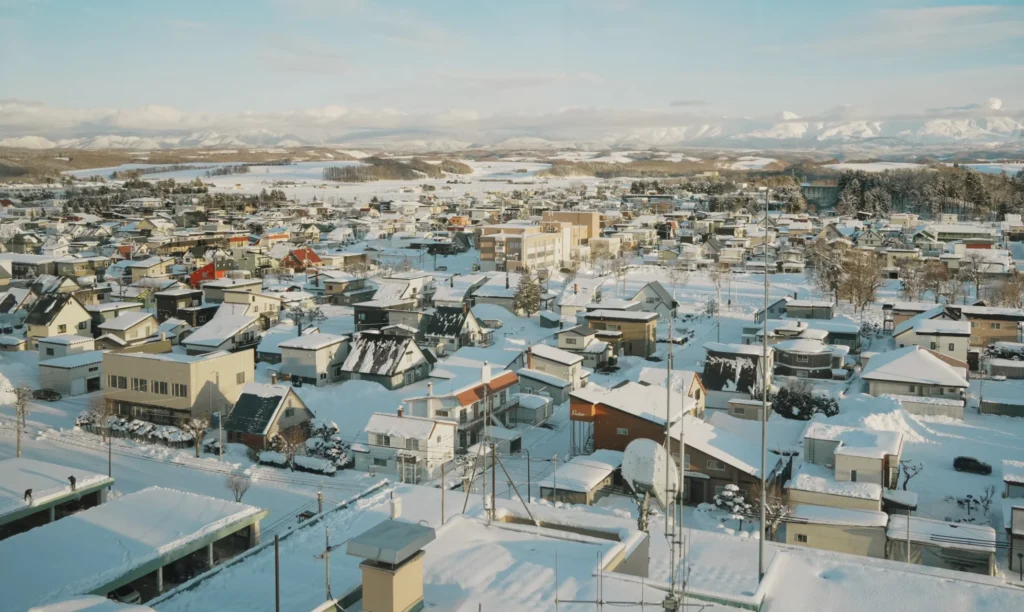
Despite changing travel trends and evolving tourism preferences, snow festivals continue to maintain a special place within Japan’s seasonal calendar. Their enduring popularity can be attributed to the unique blend of creativity, tradition, community involvement, and natural beauty that these events offer.
Festival organizers consistently find new ways to enhance visitor experiences while preserving the cultural foundations that make these celebrations meaningful. Advances in design, lighting, and event programming have helped modern festivals remain relevant while retaining their traditional character.
For many visitors, the appeal extends beyond the visual displays themselves. The opportunity to participate in seasonal celebrations, interact with local communities, and experience winter culture firsthand creates lasting memories that often become highlights of an entire trip.
The combination of artistic achievement, cultural significance, and seasonal atmosphere ensures that snow festivals remain among the most anticipated events of the year for travelers exploring Japan during the colder months.
Conclusion
Japan’s snow festivals offer far more than impressive seasonal displays. They bring together art, tradition, community spirit, and winter tourism in ways that create memorable experiences for visitors of all ages. From elaborate installations and cultural activities to regional cuisine and outdoor entertainment, these events showcase the diversity and creativity that define winter celebrations across the country.
Whether visiting a large urban festival or discovering a smaller regional event, travelers can enjoy unique opportunities to experience local culture while surrounded by spectacular winter scenery. The variety of attractions and activities ensures that every destination offers something distinctive.
As interest in seasonal travel continues to grow, snow festivals remain an essential part of Japan’s winter identity. Their ability to combine cultural heritage, artistic expression, and community participation ensures that they will continue attracting visitors from around the world for years to come.
Related Reading: Best Winter Destinations in Japan
Related Reading: Things to Do in Hokkaido During Winter